



If you run a Shopify store in Australia, you’ve almost certainly seen an order come in where the customer has entered an Australia Post PO Box as their delivery address. It’s more common than many merchants expect. Australians use a PO Box to keep their home address private, maintain a consistent address when they move, […]

14
Sep
Sep
Choosing a WooCommerce theme is only half the job of building an online store. The other half is ensuring your store can handle exactly what your business needs, whether that is managing complex tour schedules or taking highly customized food orders. That is the exact gap these new plugin compatibilities help close. While Madras Themes […]
11
Sep
Sep
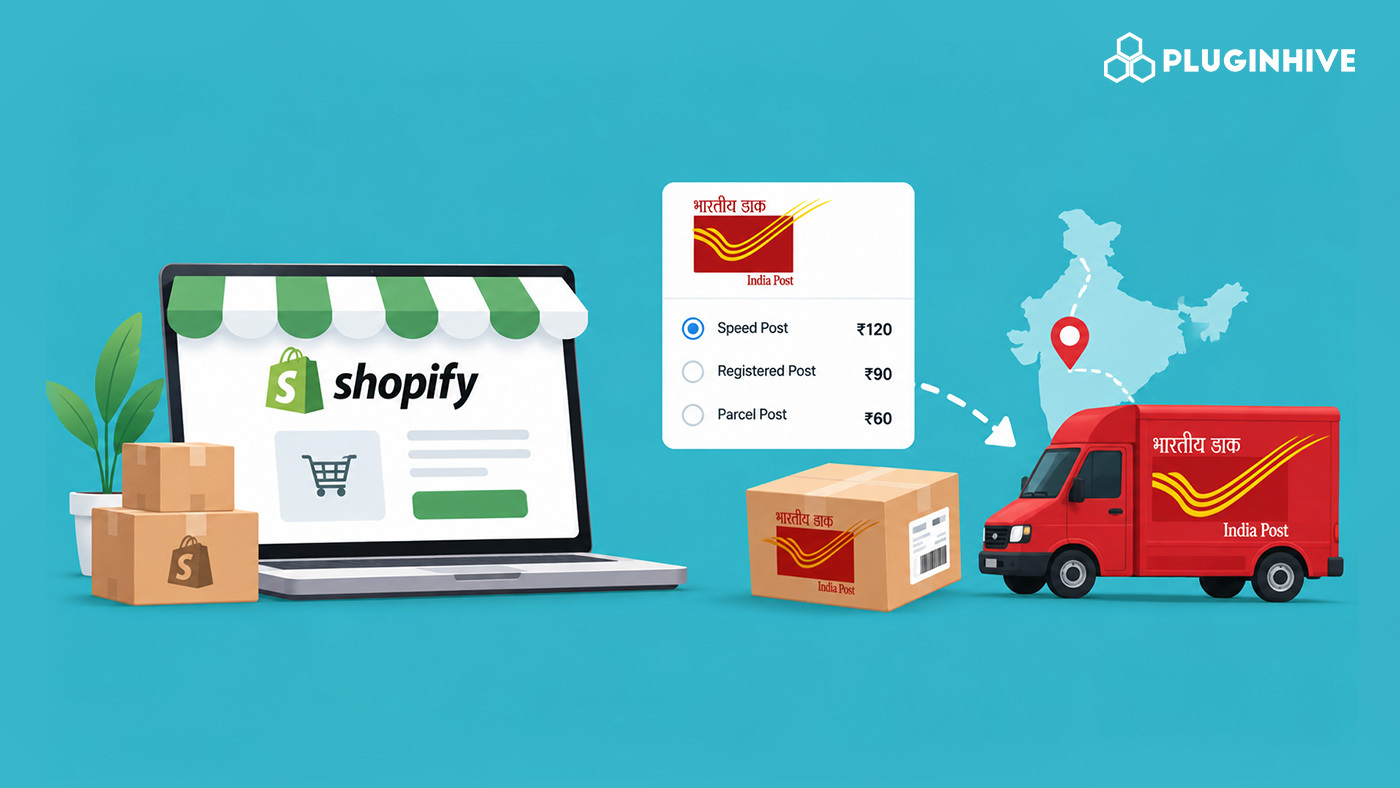
For Shopify merchants based in India, India Post is one of the most accessible and trusted shipping networks in the country, delivering to every PIN code, offering competitive rates across service tiers, and now expanding into guaranteed next-day metro delivery. Whether you are fulfilling everyday domestic orders or serving customers in large metros with time-sensitive […]

11
Sep
Sep
The demand for custom-built PCs is skyrocketing. Whether it is a hardcore gamer looking for the ultimate frame rates, a video editor needing rendering power, or a business professional wanting a reliable workstation, customers no longer want one-size-fits-all computers. They want the power to choose their own specifications. If you run an online electronics or […]
11
Sep
Sep
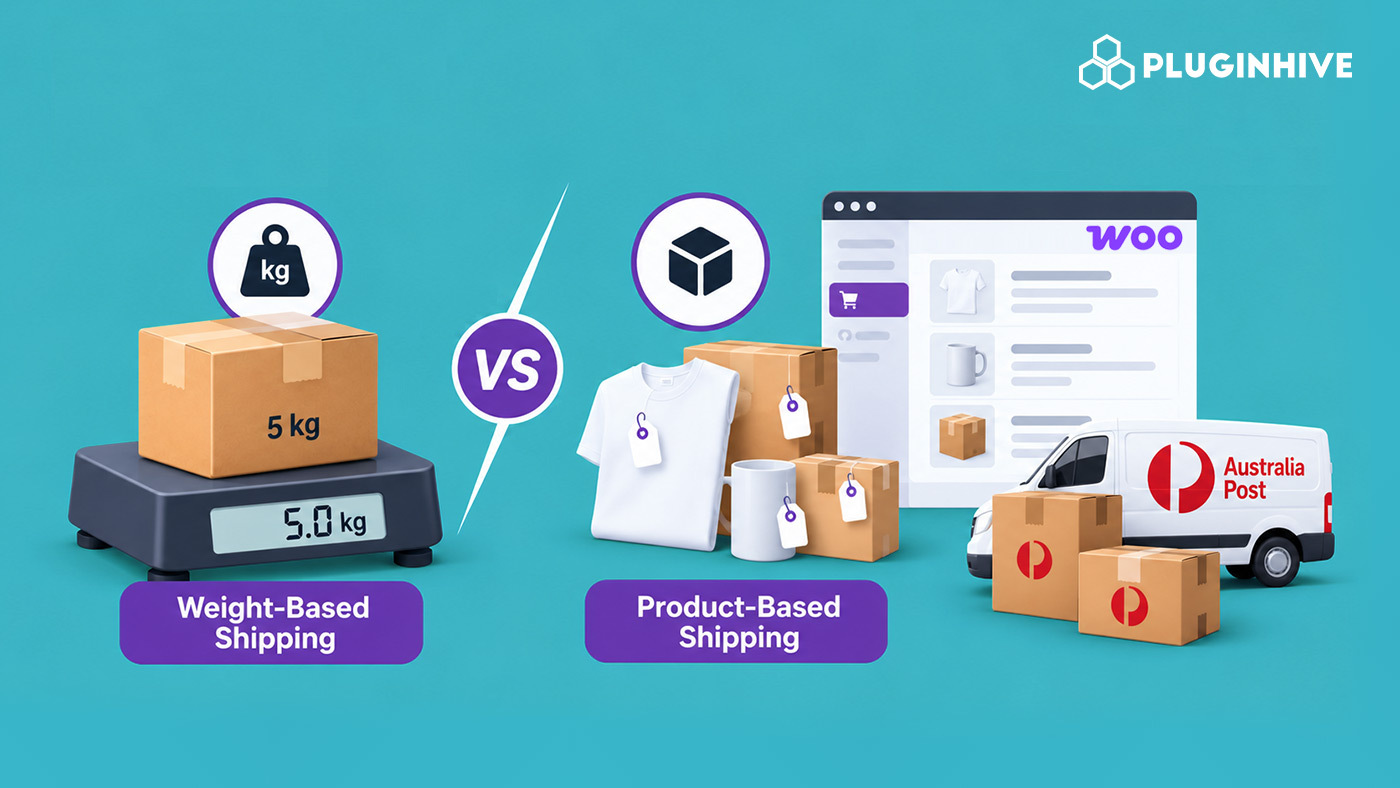
Two WooCommerce stores selling almost identical product ranges can end up with completely different Australia Post shipping costs at checkout, not because of anything Australia Post is doing differently, but because of how each store’s packaging calculation is configured. Getting this setting wrong is one of the quieter ways a store either overcharges customers on […]

10
Sep
Sep
When it comes to online shopping, delivery timing can make or break a sale. If this crucial information is missing from your product, cart, or checkout pages, the resulting uncertainty is often enough to make a customer abandon their cart entirely. To close that gap, you need to show WooCommerce estimated delivery date. Doing so […]
10
Sep
Sep
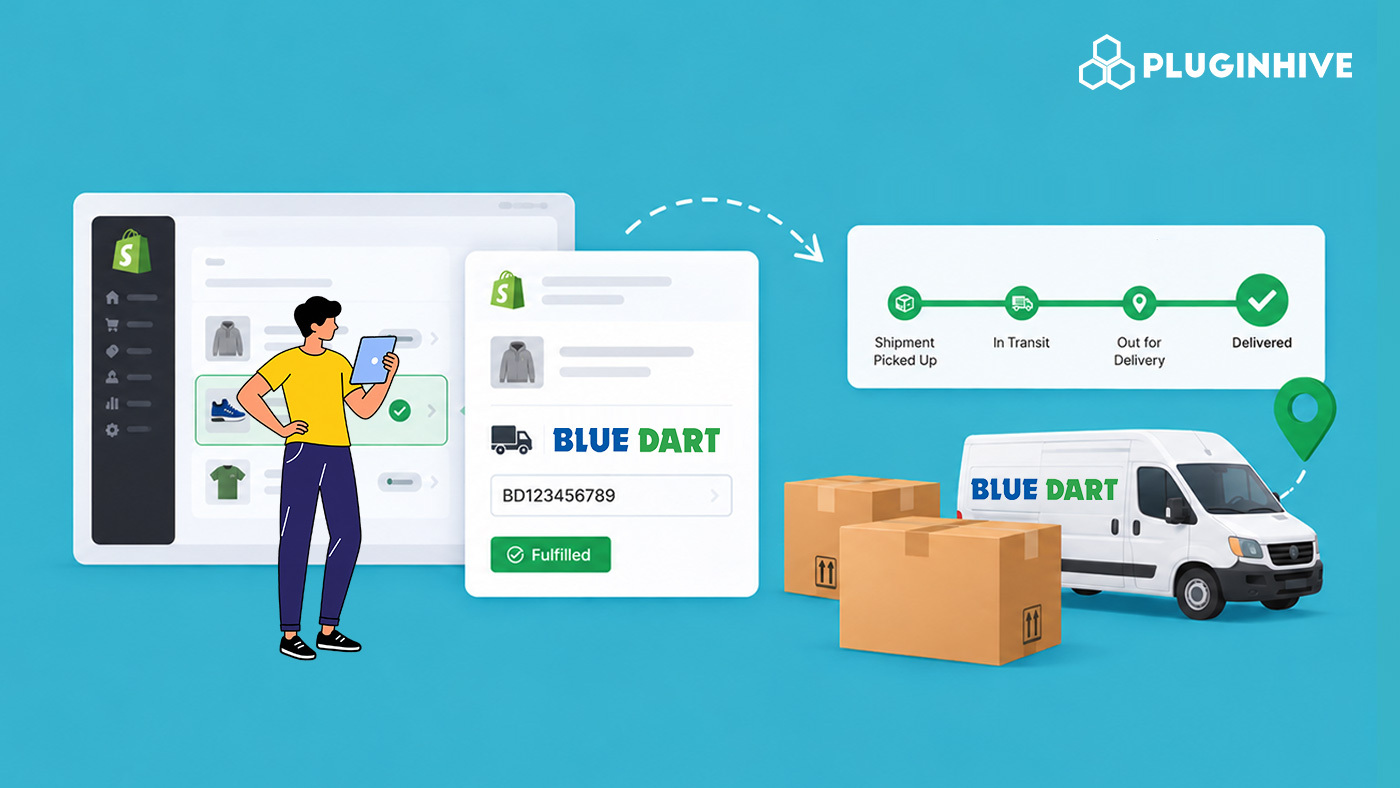
India’s e-commerce market moves fast, and so do customer expectations after a purchase. For Shopify merchants shipping domestically through Blue Dart, getting a parcel into the carrier’s network is only half the job. The other half is keeping buyers informed without them having to hunt for answers. This article breaks down how Bluedart tracking actually […]
10
Sep
Sep
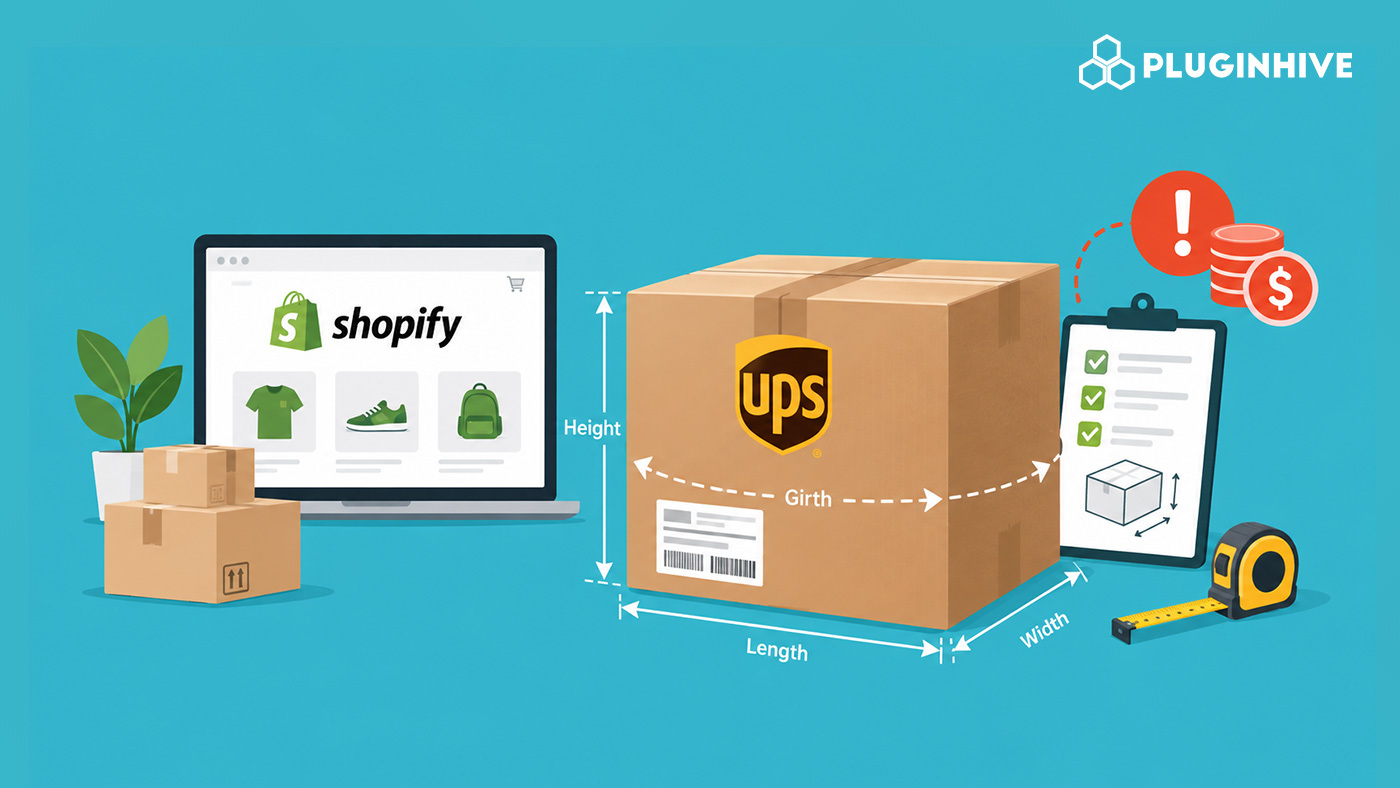
Not every product a Shopify merchant sells fits neatly into a standard shipping box. But once a package crosses certain dimensional thresholds in the UPS network, the cost of shipping it goes up sharply and often unexpectedly. UPS size limits aren’t vague guidelines; they are specific numeric thresholds that trigger defined surcharges, minimum billable weights, […]
09
Sep
Sep
FedEx has published its confirmed Demand Surcharges for the 2026 holiday shipping season. The surcharges apply across three date windows, with the highest rates taking effect during the peak shopping period from November 23 through December 27, 2026. This guide breaks down the confirmed surcharges, what triggers them, and how WooCommerce merchants can prepare before […]
09
Sep
Sep
USPS has proposed a temporary holiday shipping rate increase for the 2026 peak season. On August 25, 2026, USPS filed the proposal with the Postal Regulatory Commission (PRC). If approved, the temporary rates will apply from October 4, 2026, through January 17, 2027. For WooCommerce merchants that rely on USPS during the holiday season, these […]
08
Sep
Sep
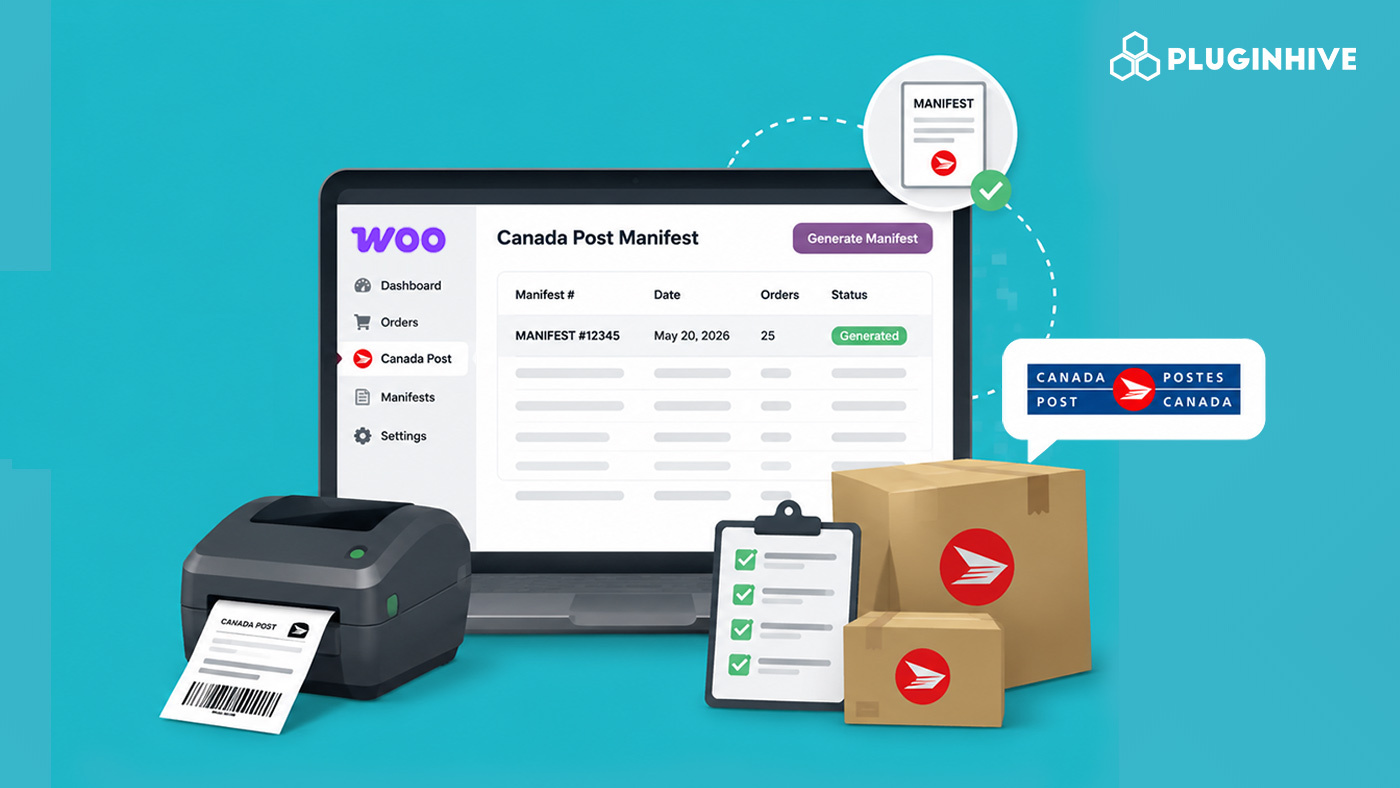
Running a growing WooCommerce store means keeping up with carrier requirements. If you ship with Canada Post, you may need to generate Canada Post shipping manifests as part of your daily fulfillment process. Creating them before pickup helps keep your shipments organized and reduces manual work. This is where the Canada Post Shipping Plugin for […]
08
Sep
Sep
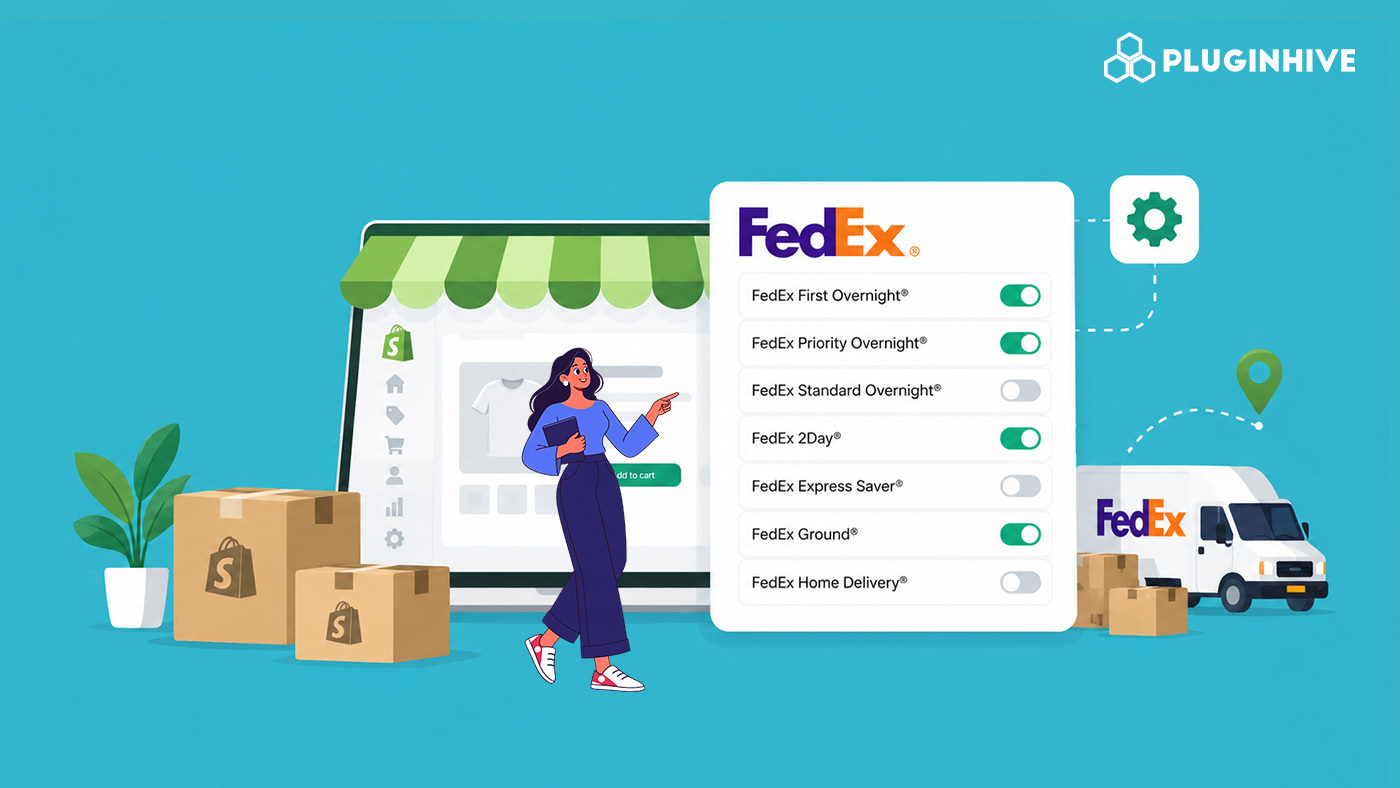
Displaying the right FedEx shipping options at checkout is one of the most impactful levers a Shopify merchant has over both conversion rate and shipping margin. Too many options overwhelm customers. Too few leave money on the table or fail customers who need speed. The wrong options flat rates that don’t reflect actual costs, or […]
08
Sep
Sep
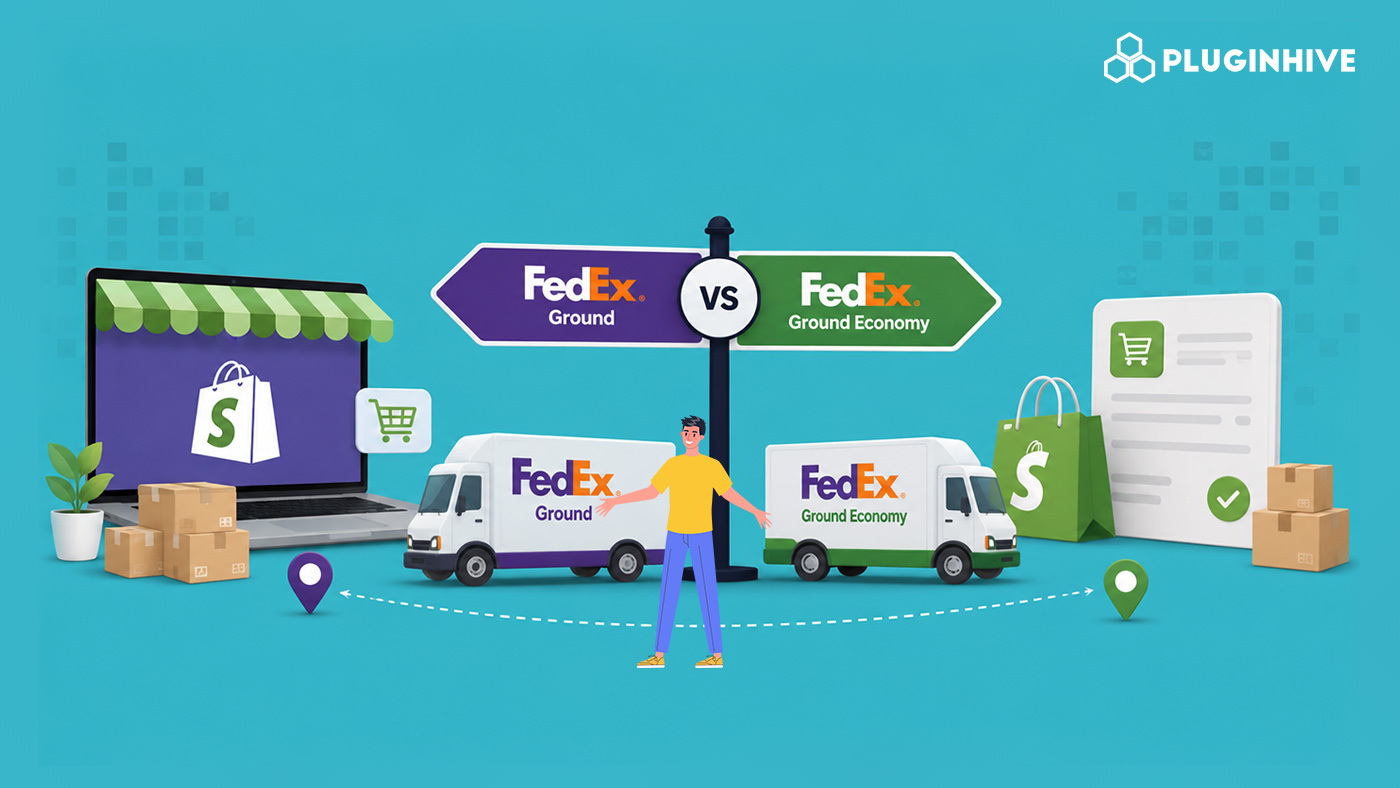
Ground shipping is where most Shopify merchants find their cost-efficient baseline. But within FedEx’s ground service family, there’s a meaningful choice to make: FedEx Ground, the standard day-definite ground service, or FedEx Ground Economy, a lower-cost alternative for non-urgent residential shipments. They sound similar. They’re priced differently, work differently, and suit very different order types. […]
04
Sep
Sep
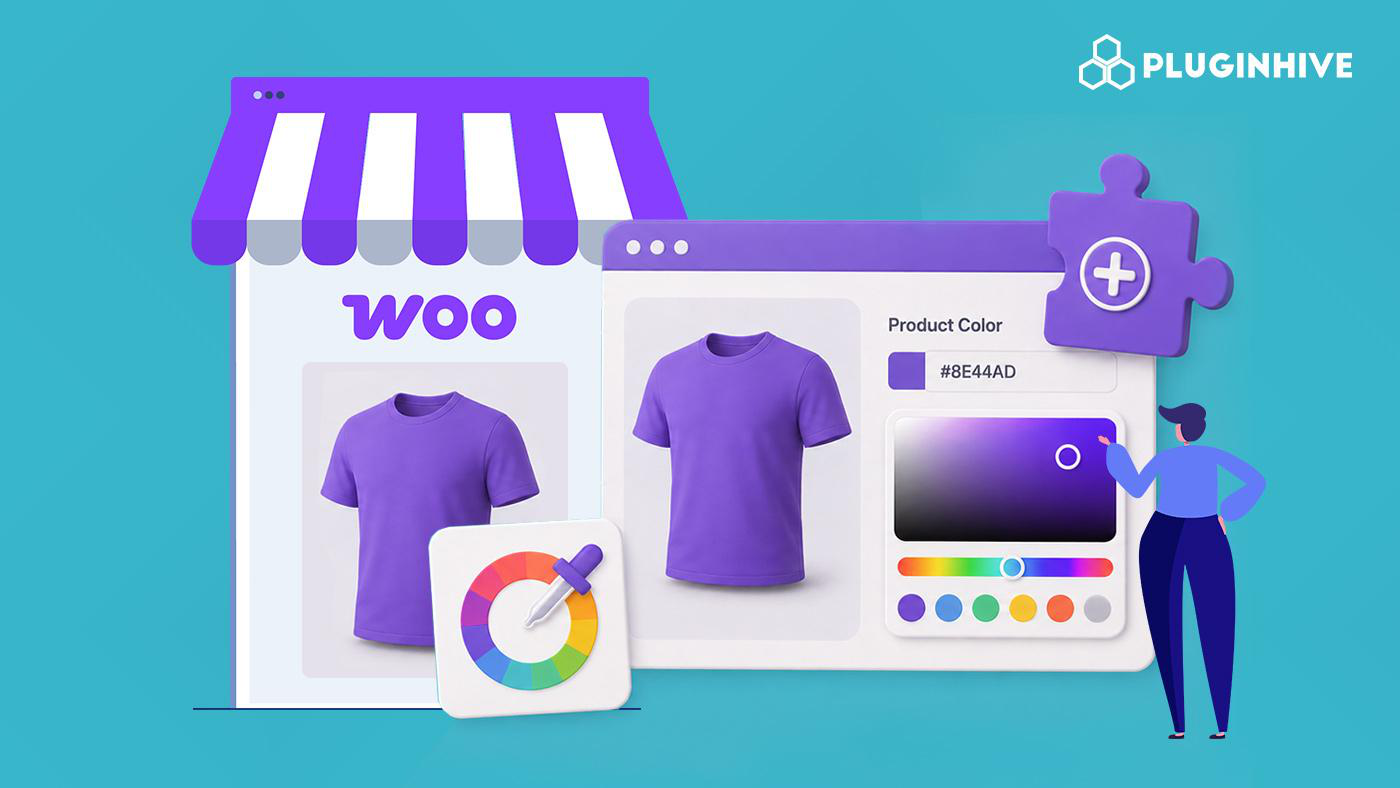
If your WooCommerce store sells products that come in different colors, shades, or finishes, giving customers a way to pick their exact preference matters. A plain dropdown that just says “Red” or “Blue” leaves a lot to guesswork, and customers who aren’t sure what a color looks like often abandon the purchase or email you […]

04
Sep
Sep
Meet the team at Wattle&Loop, an Australian slow stitching brand built around a love of textiles, creativity, and the idea that stitching should be accessible to everyone. Their thoughtfully designed kits make it easy for customers to enjoy the creative process without extensive sewing experience or the need to source individual materials themselves. What started […]
04
Sep
Sep
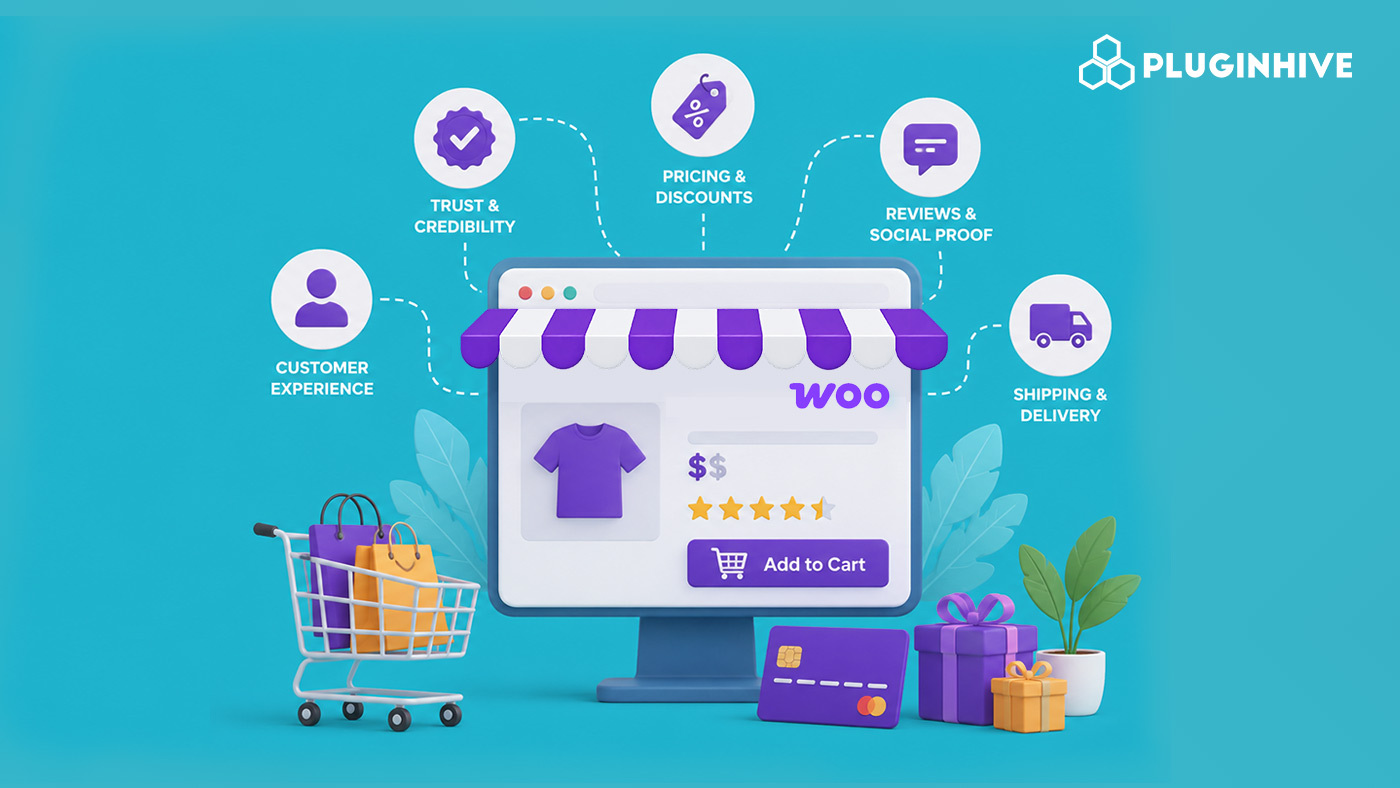
A customer landing on a product page has already decided they might want something; the question that determines whether they actually buy is what happens between that click and checkout. Price matters, but it’s rarely the only thing deciding the outcome. Trust signals, how the product is presented, and what happens at checkout all weigh […]
03
Sep
Sep
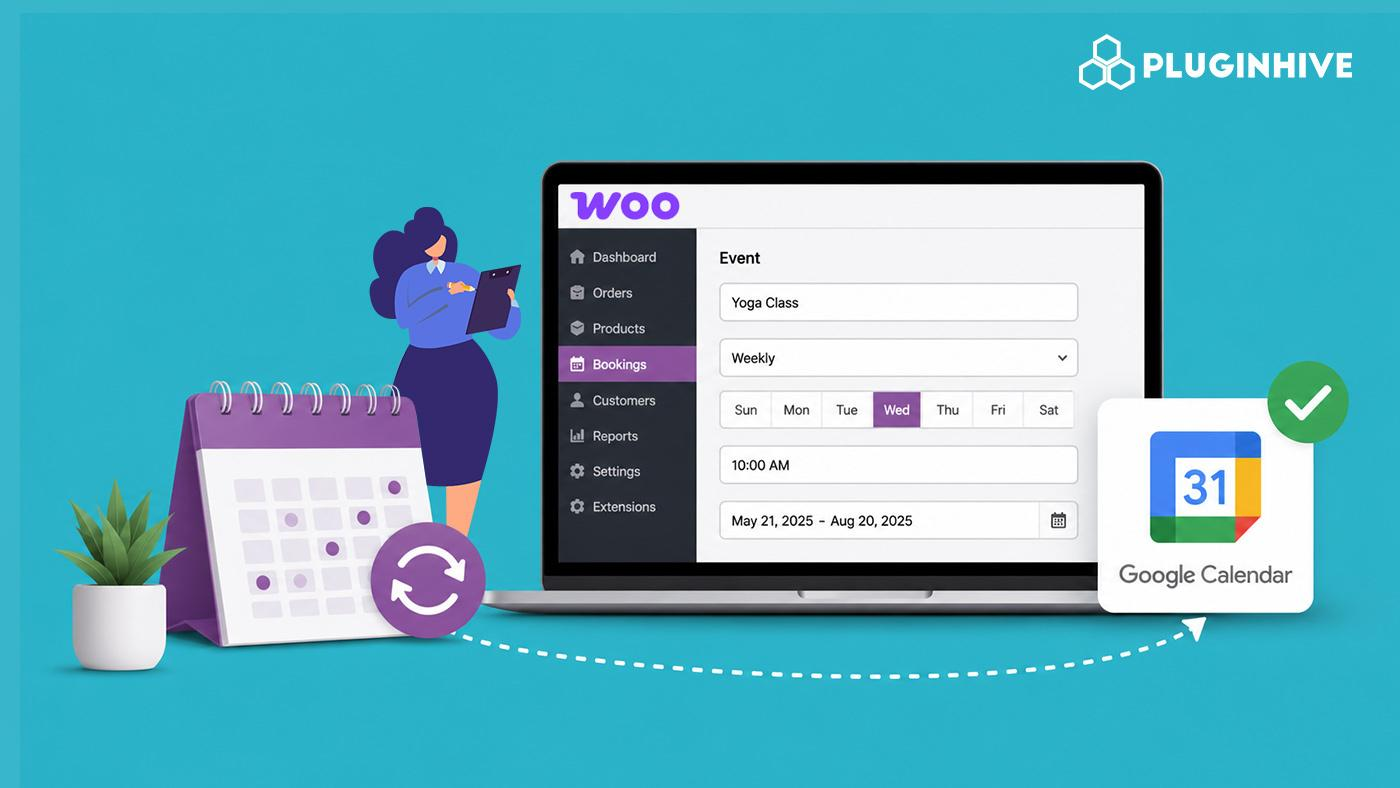
If you run a WooCommerce store that takes recurring bookings for weekly music classes, monthly equipment rentals, or recurring online courses, keeping track of every occurrence manually gets messy fast. Customers want to book once and have it repeat automatically, and you need those bookings to show up on your calendar without double-checking each one […]
03
Sep
Sep
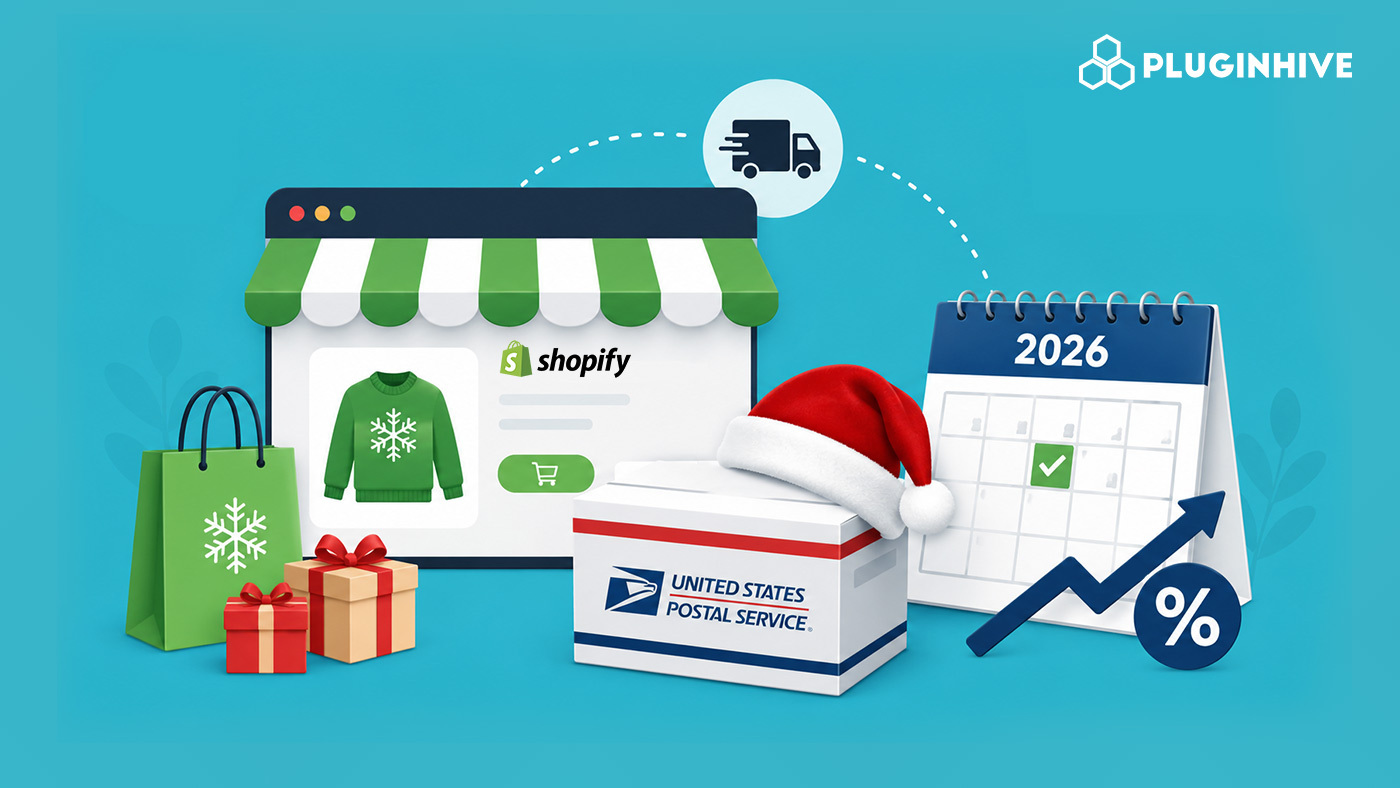
Peak season is right around the corner, and USPS has filed notice of a proposed temporary price adjustment tied to USPS holiday shipping for 2026. On August 25, 2026, USPS filed with the Postal Regulatory Commission for a temporary, seasonal price change on select package products intended to help offset higher costs during its busiest […]
03
Sep
Sep
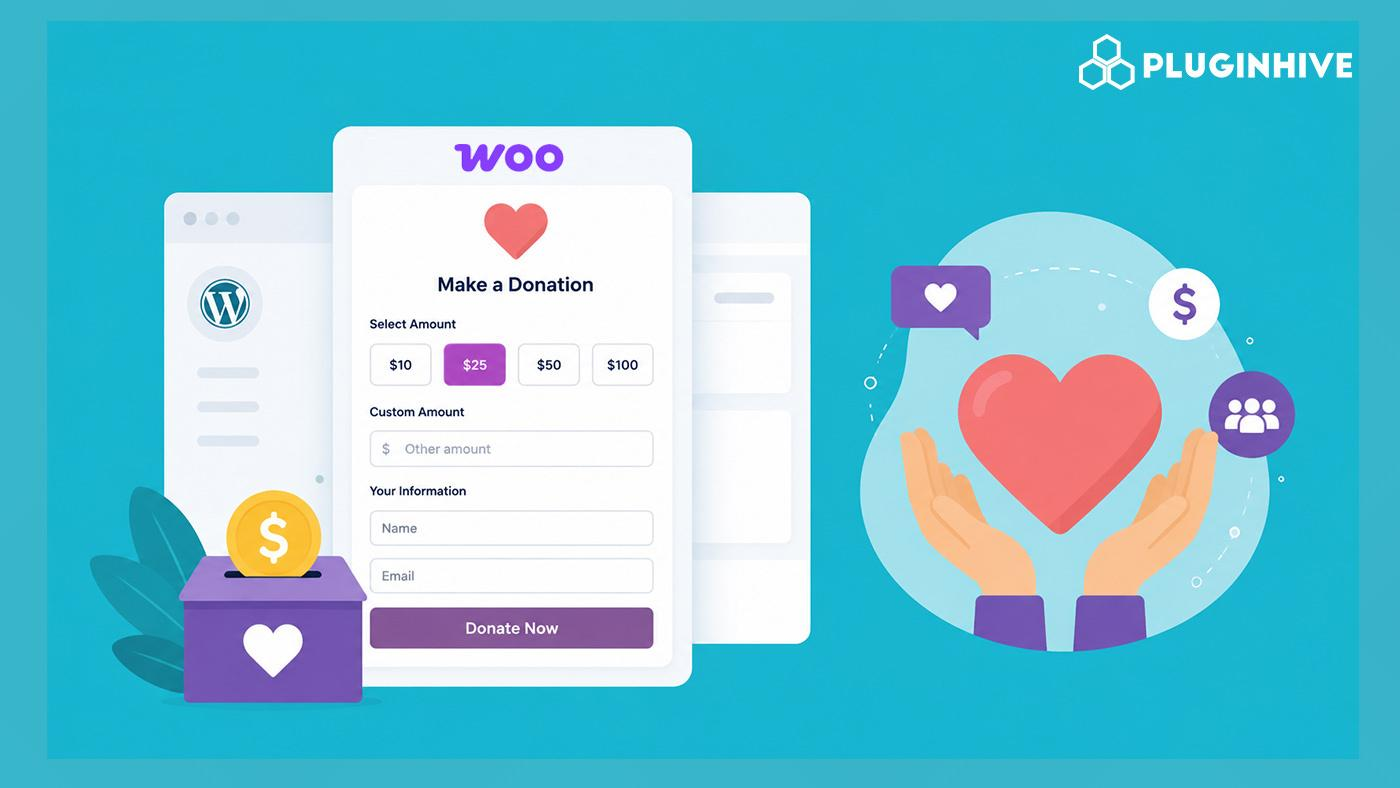
Accepting donations directly through your online store is a powerful way to support charitable causes, fund community projects, or give customers the option to contribute to a meaningful mission at checkout. Whether you run a non-profit organization, an online store supporting social initiatives, or a business hosting special fundraising campaigns, adding a flexible donation option […]
02
Sep
Sep
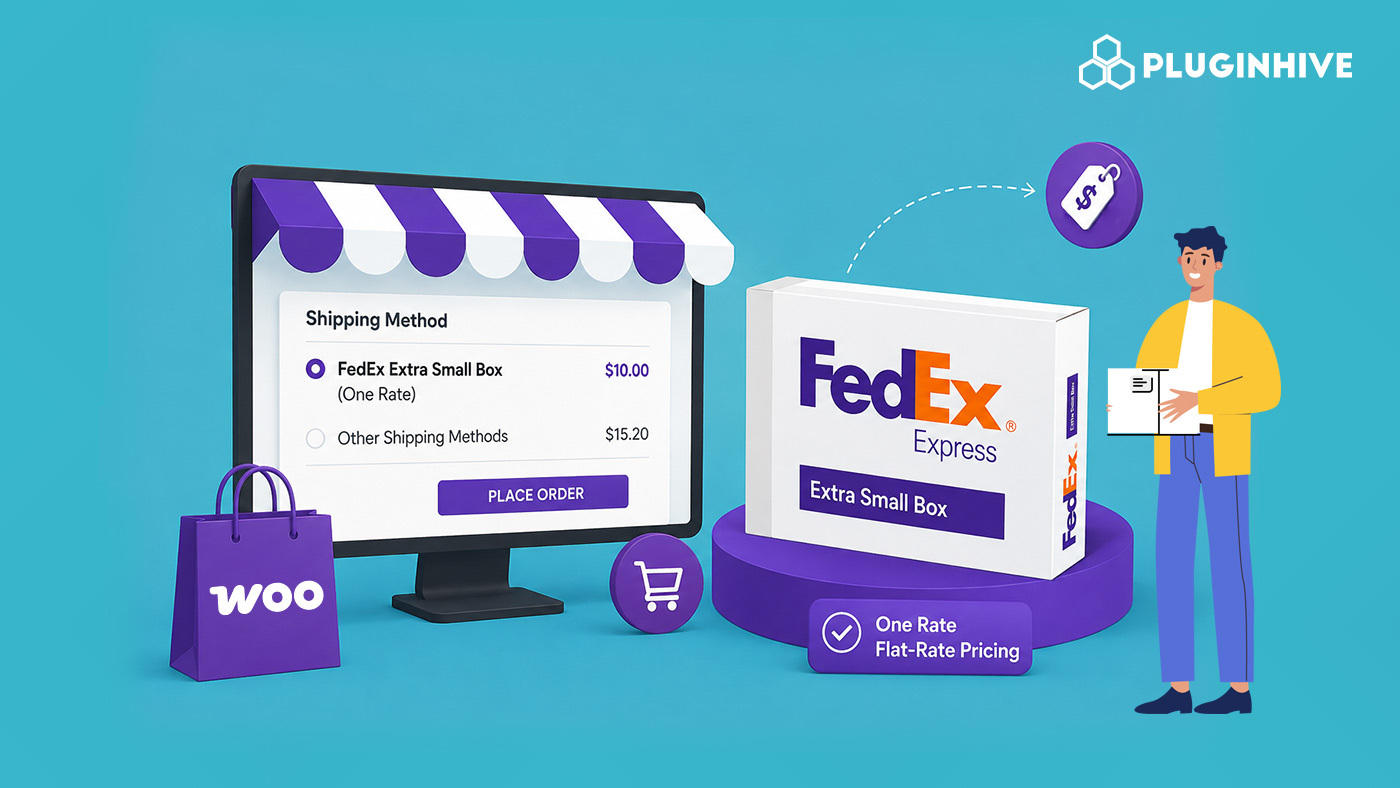
If you sell small, lightweight products on WooCommerce, you may be overpaying for shipping. Jewelry, phone accessories, supplements, and cosmetics often fit poorly in standard boxes. FedEx has addressed this with the new Extra Small box under its One Rate program. The PluginHive FedEx Shipping Plugin now supports this packaging option on WooCommerce. This means store […]