



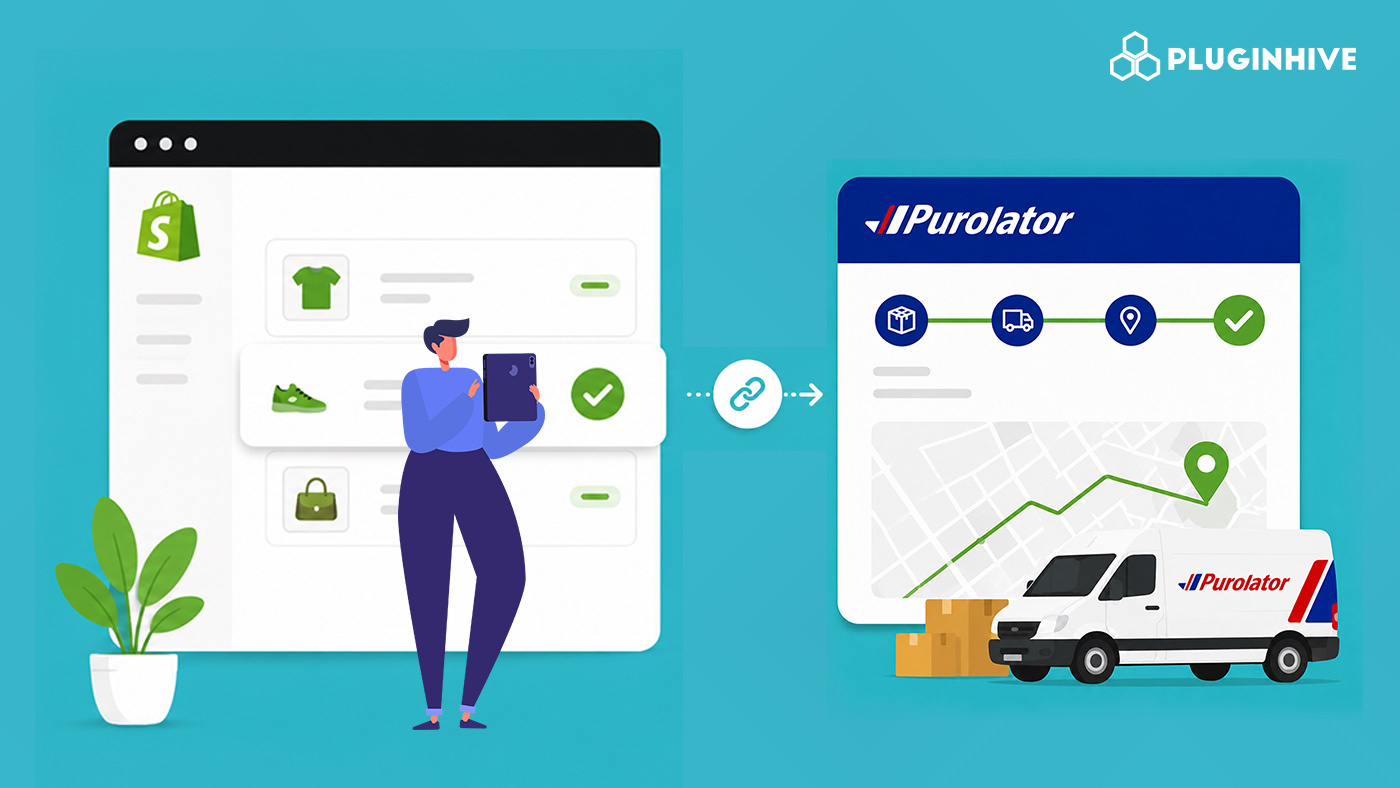
If you’re shipping with Purolator, your customers expect the same visibility they’d get from any major carrier. Shopify gives you a starting point for Purolator order tracking, but by default, that experience is fairly limited. This guide covers what Shopify does and doesn’t handle, how to close the gap, and how to give your customers […]
16
Jul
Jul
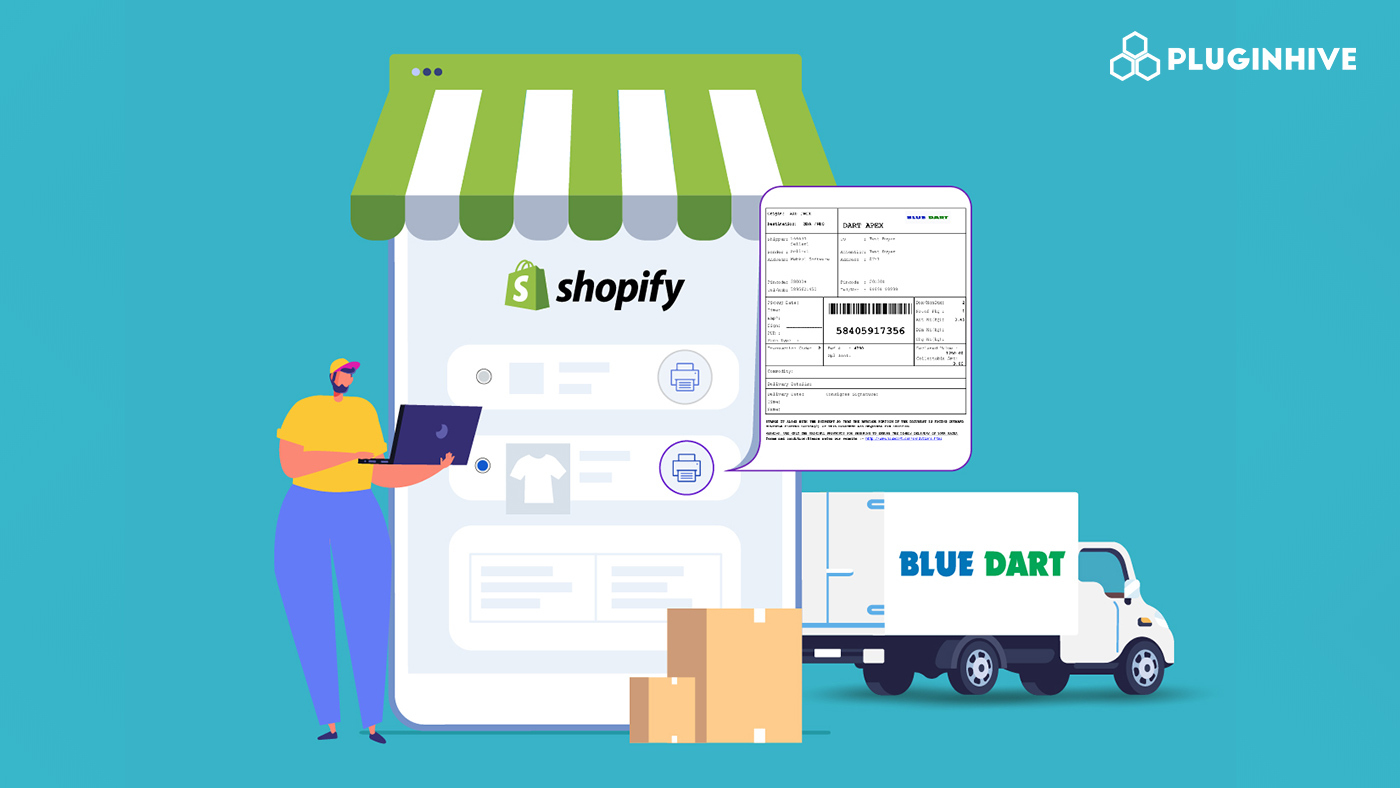
For Shopify merchants shipping within India, Blue Dart is one of India’s most reliable and prominent courier services, known for its efficiency and dependable delivery services, and a trusted name for customers across the country. Printing a BlueDart shipping label correctly is the foundation of every compliant domestic shipment, and doing it directly from Shopify […]
16
Jul
Jul
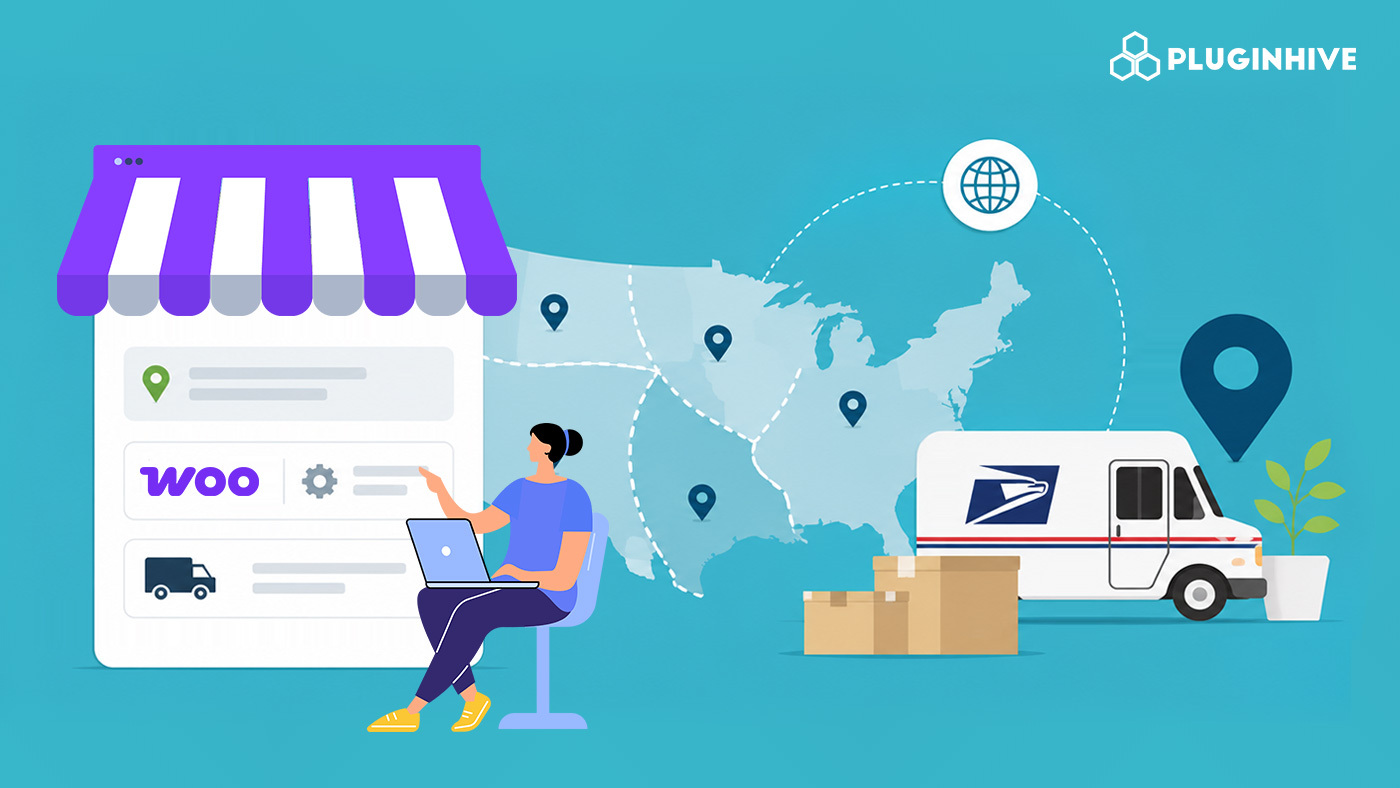
Shipping zones are how WooCommerce decides which shipping methods to show at checkout, and getting them right is the foundation of any working USPS setup. A misconfigured zone means customers in certain regions see no shipping options, or worse, they see incorrect ones. This guide walks through how WooCommerce shipping zones work and how to […]
15
Jul
Jul
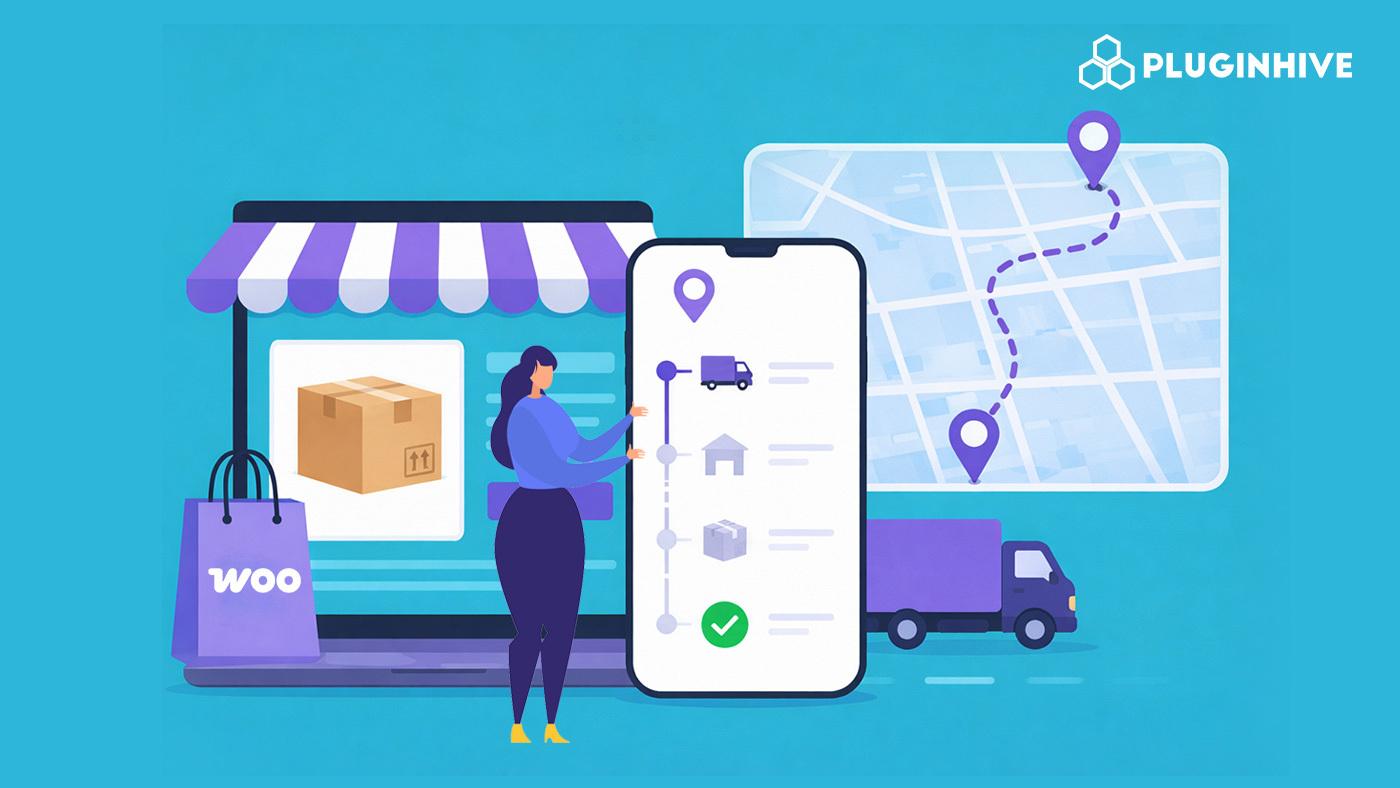
You ship an order, mark it complete, and move on to the next one. A few days later, an email lands in your inbox: ‘Hi, just checking on my order – haven’t heard anything since I paid.’ That’s a WISMO query, and if your WooCommerce store isn’t showing tracking information anywhere, you’ll get one for […]

14
Jul
Jul
When you’re running a Shopify store and shipping with FedEx, on-time delivery isn’t just a nice-to-have; it directly affects customer satisfaction, repeat purchases, and your store’s reputation. That’s why the FedEx money-back guarantee matters: it’s the mechanism that holds FedEx accountable to its published delivery commitments and gives Shopify merchants a path to compensation when […]
14
Jul
Jul
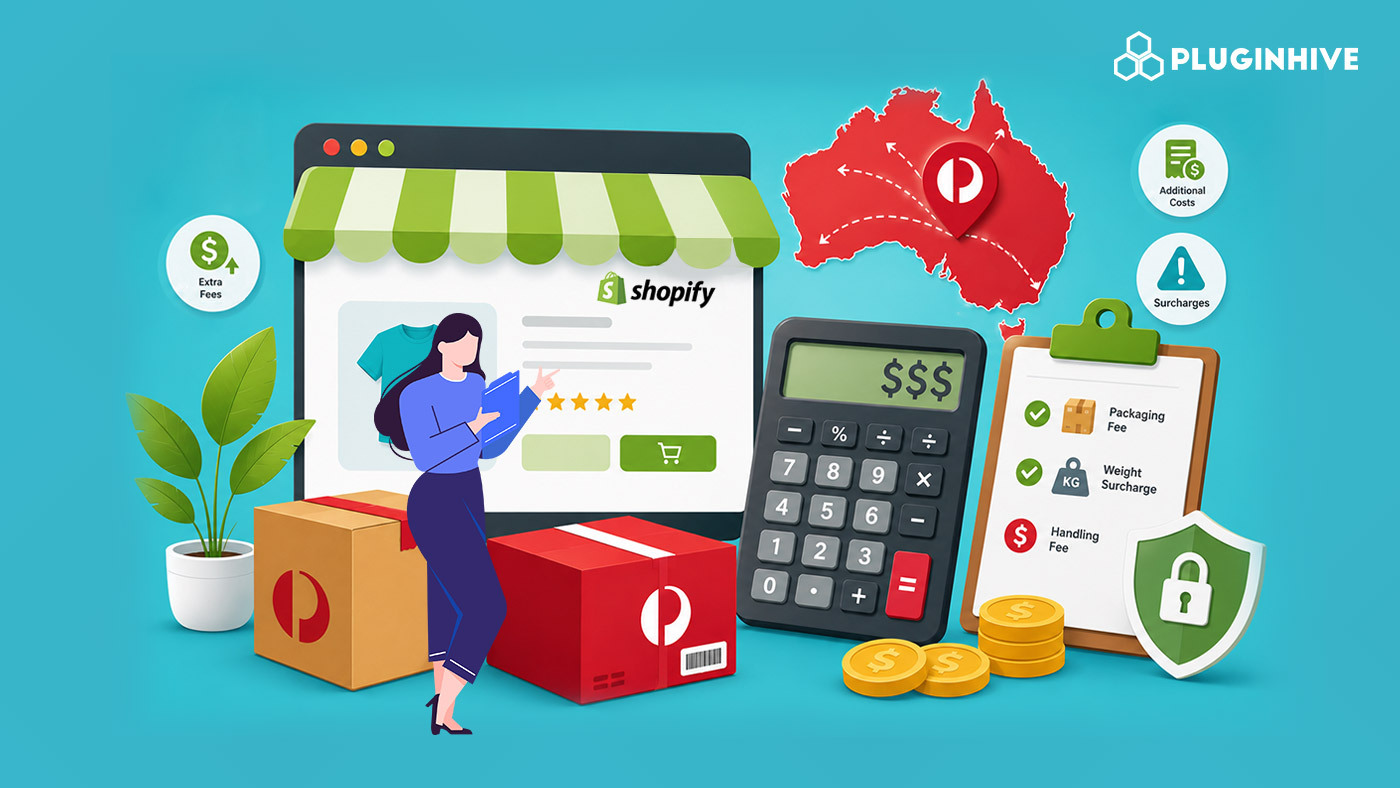
When you’re setting up shipping for your Shopify store, knowing the base postage cost is only part of the picture. The Australia Post shipping calculator gives you an estimate, but what shows up on your invoice can look different once additional fees, surcharges, and weight adjustments are factored in. Understanding how Australia Post calculates postage […]

14
Jul
Jul
Jewellery is one of the most high-risk product categories to ship: high-value items in a small package, easily concealed, and subject to specific restrictions that most general shipping guides gloss over. For Shopify merchants selling jewellery, using UPS requires understanding the declared value limits that apply specifically to jewellery, the two-box packaging rule, a labelling […]

14
Jul
Jul
UPS is one of the most trusted carriers for WooCommerce stores shipping across the US and internationally, but WooCommerce doesn’t talk to UPS out of the box. You need a dedicated UPS plugin for WooCommerce to show live rates at checkout, print labels without leaving your dashboard, and keep customers updated with tracking. This guide […]
08
Jul
Jul
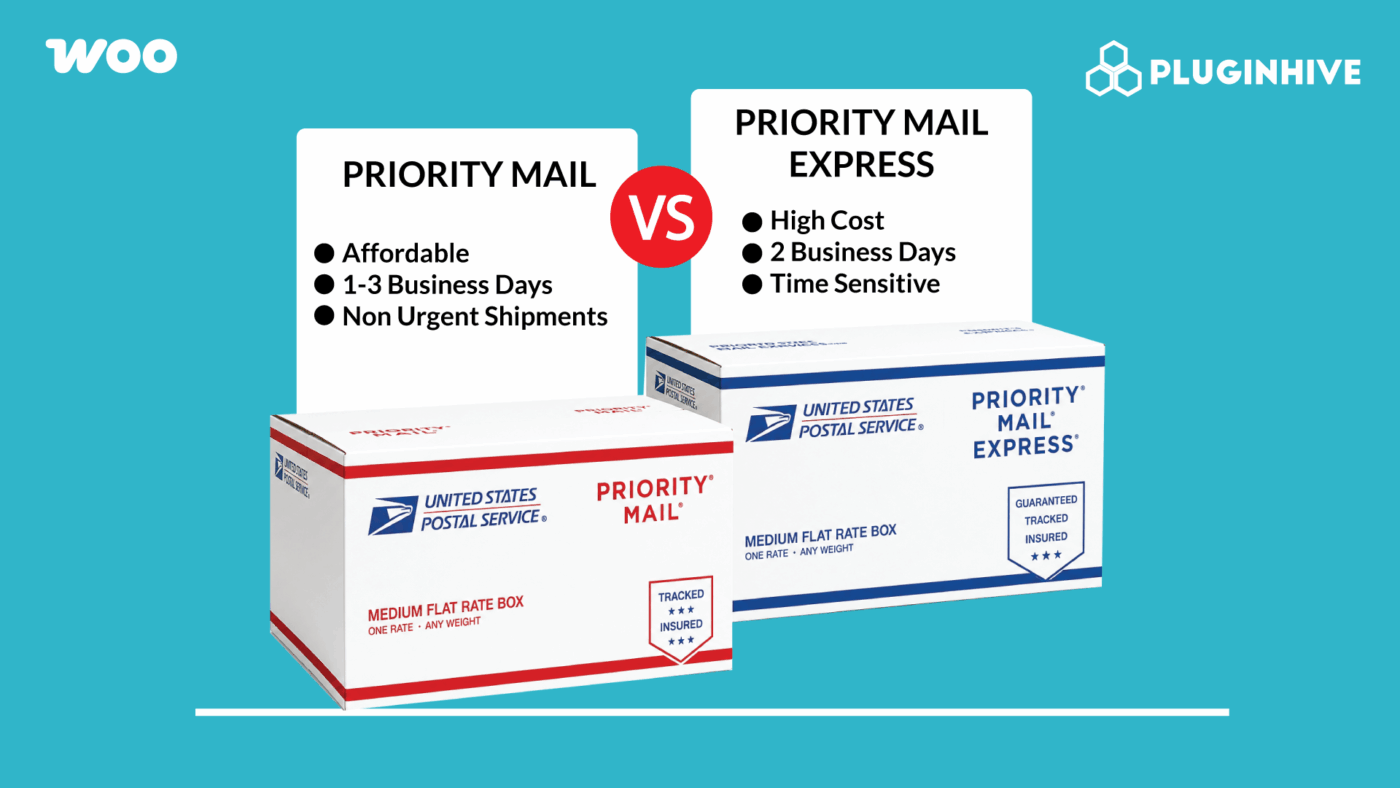
Two of USPS’s most used shipping services, Priority Mail and Priority Mail Express, sound similar but serve different purposes. For WooCommerce stores, deciding which one to show at checkout, or whether to offer both, depends on your products, your customers, and how much speed is actually worth to each order type. This guide breaks down […]

06
Jul
Jul
If you sell anything with real value on your WooCommerce store- jewellery, electronics, collectables- a lost or damaged parcel can mean a refund, an unhappy customer, and a support ticket you didn’t budget for. Royal Mail insurance is one of the simplest ways to protect both your business and your customers when a shipment goes […]

06
Jul
Jul
Running a WooCommerce booking business means juggling more than just online orders. Walk-ins, phone bookings, staff availability – a lot of that still gets managed on a regular calendar, not inside WooCommerce. That’s exactly where Google Calendar and Outlook Calendar sync come in for the Bookings and Appointments for WooCommerce plugin – both connect your […]
06
Jul
Jul
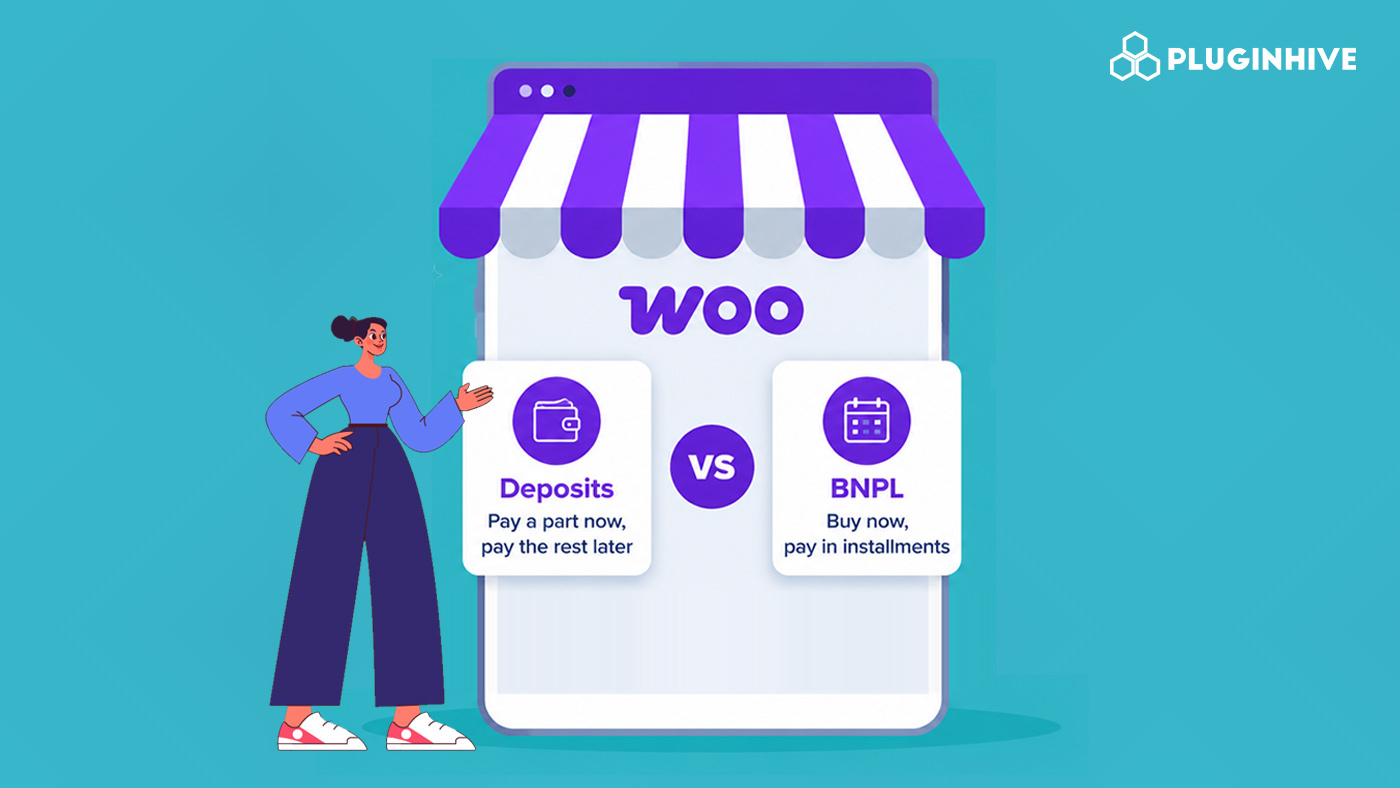
WooCommerce Deposits vs BNPL is a common comparison for WooCommerce store owners looking to offer pay later options. If you sell higher-value products, you’ve likely come across BNPL services like Afterpay or Klarna and deposit-based payments using the PH Deposits for WooCommerce plugin. While both let customers avoid paying the full amount upfront, they work […]
06
Jul
Jul
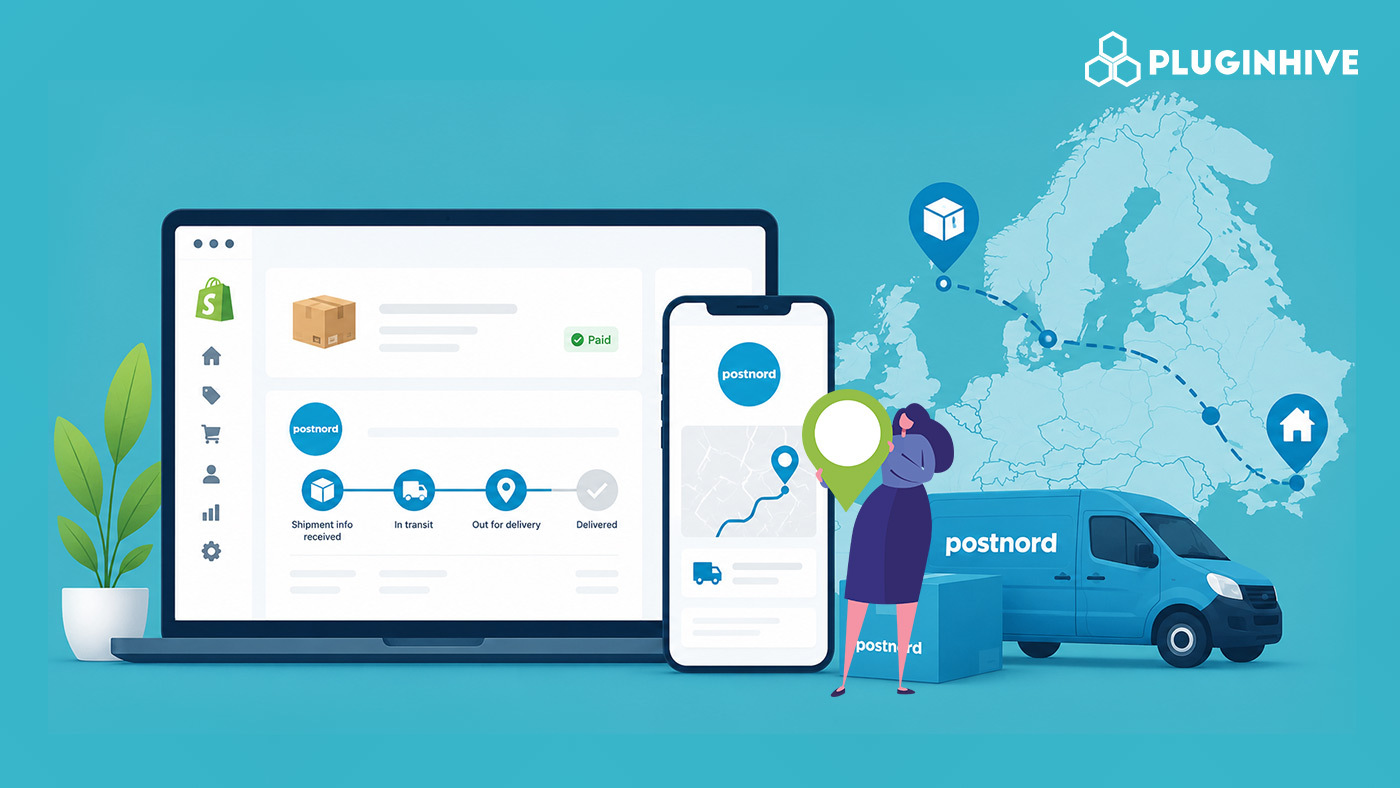
If you ship with PostNord, your customers already expect visibility into where their order is at every stage. Shopify gives you a starting point for PostNord order tracking, but out of the box, it’s fairly limited. This guide walks through how PostNord tracking works with Shopify, where the gaps are, and how to set up […]

06
Jul
Jul
One of the most practical decisions a Shopify merchant faces when setting up shipping is understanding which Australia Post rate structure applies to them and whether they’re leaving savings on the table. Australia Post doesn’t offer one rate to every sender; it operates multiple pricing tiers depending on account type and volume, and the difference […]
06
Jul
Jul
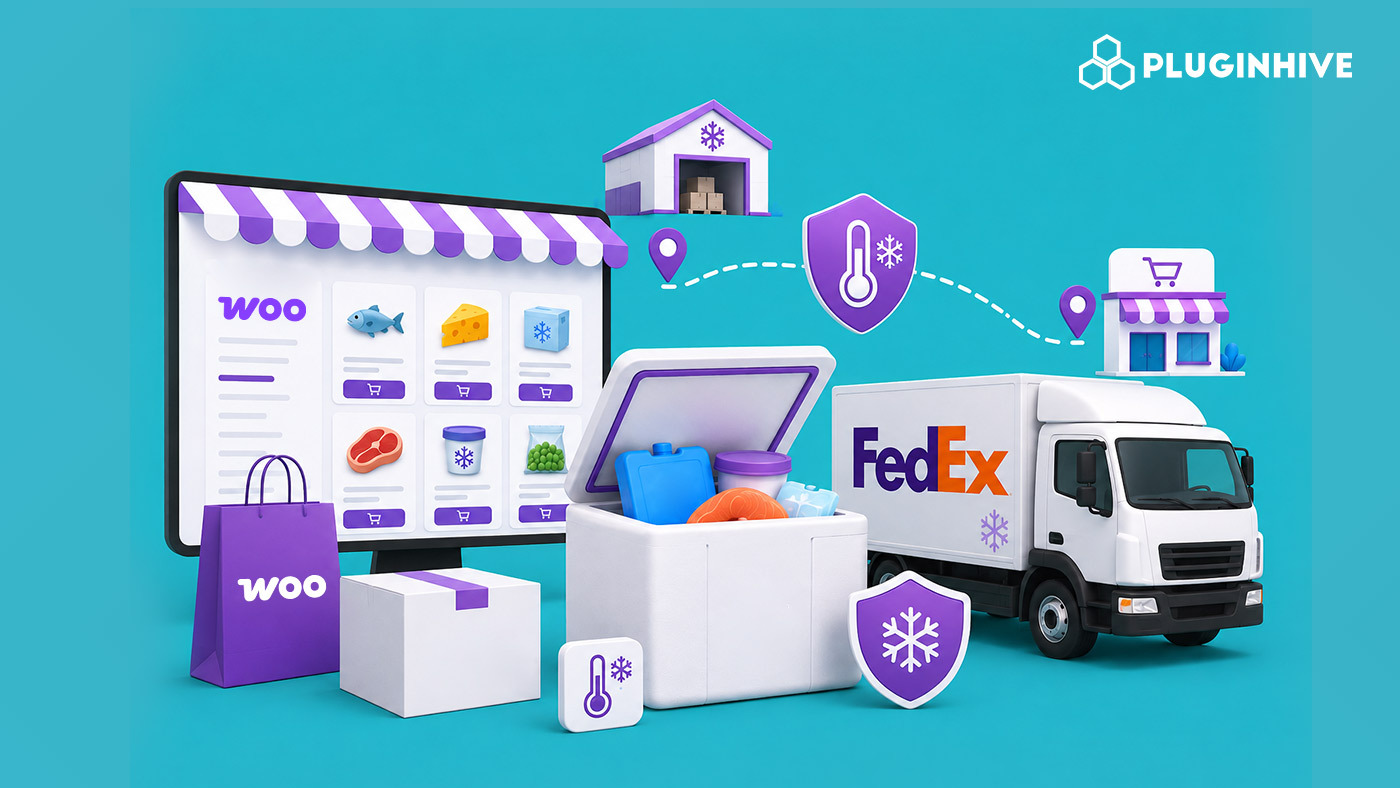
Selling perishables, fresh food, supplements, skincare, or anything else that can’t survive standard transit without temperature control is a different kind of logistics challenge. Standard FedEx services don’t account for what happens inside the box. Temperature-controlled shipping does, and for WooCommerce stores selling products that need it, getting this setup right is the difference between […]
02
Jul
Jul
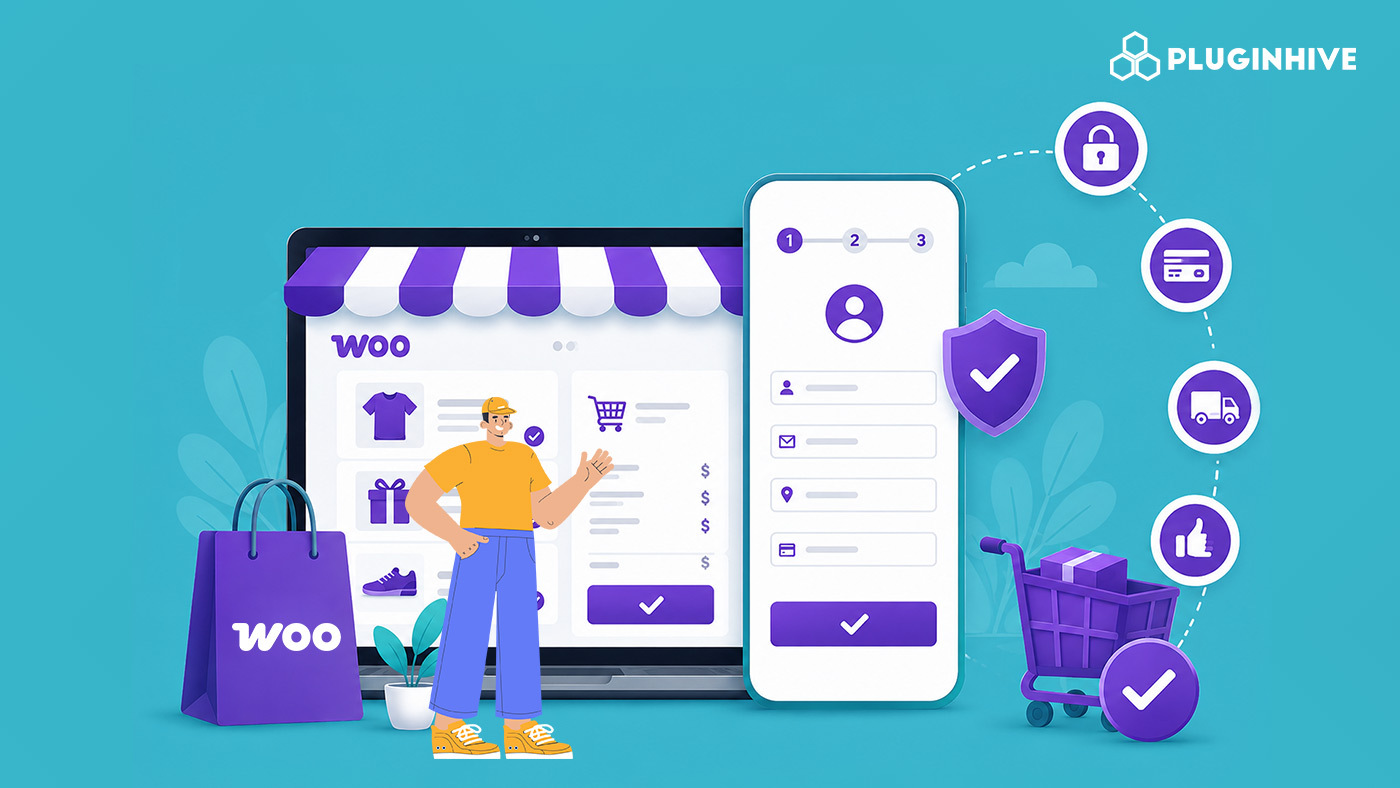
Customers who reach checkout are ready to buy, but uncertainty around shipping can quickly change their minds. Unexpected shipping charges, unclear delivery timelines, or limited shipping options often lead customers to abandon their carts before completing payment. Optimizing the shipping experience at WooCommerce checkout isn’t just about displaying shipping methods; it’s about giving customers the […]

02
Jul
Jul
Running a WooCommerce marketplace is very different from managing a regular WooCommerce store. Instead of handling only your own products and shipments, you also need to manage multiple vendors, separate product catalogs, commissions, payouts, and vendor-specific shipping origins. Without the right WooCommerce multi-vendor plugin, marketplace operations can quickly become difficult to manage. This guide covers […]

01
Jul
Jul
How to reduce the WooCommerce cart abandonment rate is one of the biggest challenges for WooCommerce store owners. Customers who add products to their cart and leave without buying can cost your business significant revenue, even when your products attract plenty of interest. This article breaks down where abandonment happens at each stage of the […]

01
Jul
Jul
Choosing between Royal Mail and DHL Express is one of those decisions that quietly shape how a UK WooCommerce store runs, from what customers see at checkout to how reliably orders arrive. Both are well-known carriers, but they’re built for different situations. This article compares Royal Mail and DHL Express specifically for WooCommerce stores in […]
01
Jul
Jul
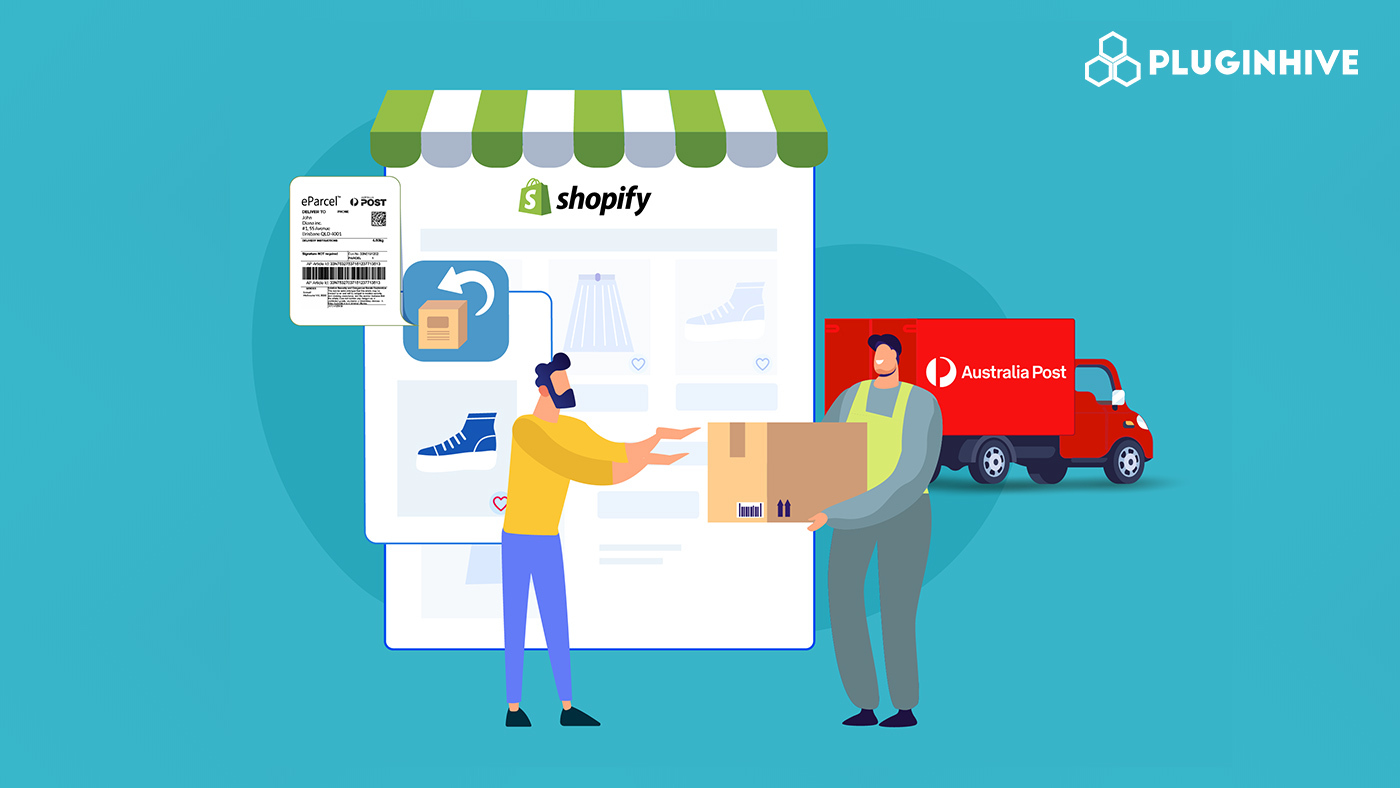
Returns are a routine part of running a Shopify store, and the way you handle them shapes how customers feel about buying from you again. A clear, frictionless return process builds trust. A slow or confusing one costs you future sales. As one of Australia’s most familiar and widespread delivery networks, Australia Post is a […]