



Shipping hydroponic systems, like grow lights, nutrients, pumps, and cultivation trays, comes with unique challenges. Many of these items are bulky, fragile, liquid-based, or even regulated, which makes logistics more complicated than standard eCommerce products. For WooCommerce store owners, managing these shipments manually can be time-consuming and error-prone. This guide will help you understand the key requirements to ship hydroponic supplies and show how to streamline the process using WooCommerce and carrier integrations.
In This Article:
- Key Shipping Challenges for Hydroponic Products
- Packaging and Handling Guidelines for Hydroponic Systems
- Best Carriers for Hydroponic Supplies Shipping
- Automating Hydroponic Supplies in WooCommerce
- Conclusion
- FAQs
Key Shipping Challenges for Hydroponic Products
Shipping hydroponic supplies isn’t as straightforward as packing and sending regular retail goods. These products often fall into complex shipping categories that demand special handling, labeling, and carrier coordination. Here are the major challenges:
- Liquid and Hazardous Materials: Nutrient solutions and pH adjusters may be classified as hazardous, requiring proper documentation, packaging, and labeling (e.g., ORM-D or Limited Quantity).
- Bulky or Irregular Shapes: Items like grow tents, light reflectors, and water reservoirs are oversized and may incur dimensional weight charges or require special carrier services.
- Fragile Components: Glass grow bulbs, sensors, and pumps are delicate and need additional protection during transit to avoid damage.
- Temperature Sensitivity: Certain nutrients or biological products, like beneficial microbes, must be shipped under controlled temperatures to remain effective.
- Carrier Restrictions: Some carriers restrict shipping of flammable liquids, pressurized containers, or certain organic compounds depending on destination.
- International Regulations: Cross-border shipments of hydroponic products may require customs declarations, MSDS (Material Safety Data Sheets), and compliance with local agricultural laws.
Understanding these challenges is essential before setting up your WooCommerce shipping workflows for hydroponic products.
Packaging and Handling Guidelines for Hydroponic Systems
Shipping hydroponic equipment requires careful packaging to ensure safety, compliance, and cost-efficiency. Here are key packaging and handling guidelines:
- Use Sturdy, Double-Walled Boxes: Protect heavy or sensitive parts like pumps, tanks, and frames using reinforced packaging.
- Secure Components Individually: Wrap pipes, connectors, sensors, and trays separately to prevent friction or impact damage.
- Use Custom Foam Inserts or Padding: For fragile elements like control panels or sensors, use molded foam or bubble wrap for shock absorption.
- Seal and Label Clearly: Use heavy-duty tape for sealing. Add orientation labels like “This Side Up” or “Fragile” where necessary.
- Palletize Large Systems: For bulky systems, place items on a pallet and shrink-wrap them. This allows safe forklift handling and prevents movement during transit.
- Document Everything: Include printed packing slips, handling instructions, and compliance documents (especially if shipping with chemical kits).
Proper packaging minimizes damage, avoids carrier surcharges, and ensures your hydroponic products reach customers in top condition.
Best Carriers for Hydroponic Supplies Shipping
Shipping hydroponic supplies, from nutrient delivery systems to control units and tubing, isn’t as simple as regular parcel shipping. These products often fall into oversized, hazardous, or fragile categories, and choosing the right carrier can make or break your logistics process.
Let’s explore the best carriers for different types of hydroponic products and how each fits your shipping needs.
| Carrier | Best For | Hazmat Support | Oversized Handling | Cold Chain Support | International Reach |
|---|---|---|---|---|---|
| FedEx | Root zone systems, power modules, temperature control units | Yes (with approval) | Yes | Yes | Strong |
| UPS | Large DWC systems, bundled nutrient kits, complete grow setups | Yes (with contract) | Yes | Yes | Strong |
| USPS | Small components like tubing, air stones, and replacement parts | No | Limited | No | Moderate |
| DHL Express | Exporting compact hydroponic equipment or accessories internationally | Limited | Yes | Yes (select services) | Excellent |
Along with carrier selection, delivery also depends on how well your hydroponic products are packed and handled, especially when dealing with heavy or sensitive equipment.
Automating Hydroponic Supplies Shipping in WooCommerce
Let’s say you run a WooCommerce store selling hydroponic systems. You receive an order for a HydraMax Commercial Recirculating System, a large and sensitive piece of equipment. This item requires secure packaging, special carrier handling due to its size.
To manage shipping efficiently, you’ll need:
- A robust, reinforced box with inner foam or molded packaging to prevent shock or movement.
- Real-time rate calculation based on dimensional weight and special handling surcharges.
- A carrier that supports oversized and regulated shipments.
If the product includes chemical kits that qualify as hazardous, you can enable hazmat shipping for UPS. Check out this guide to learn more about hazmat shipping – Ship UPS Hazardous Material with WooCommerce .
Shipping with Multiple Carriers
If you’d like to let customers choose between different carriers, such as FedEx, UPS, or USPS, based on price or delivery speed, the Multiple Carrier Shipping Plugin for WooCommerce is ideal.
The plugin displays real-time shipping rates at checkout based on customer location, Product size, weight, and dimensional weight, and special handling requirements.
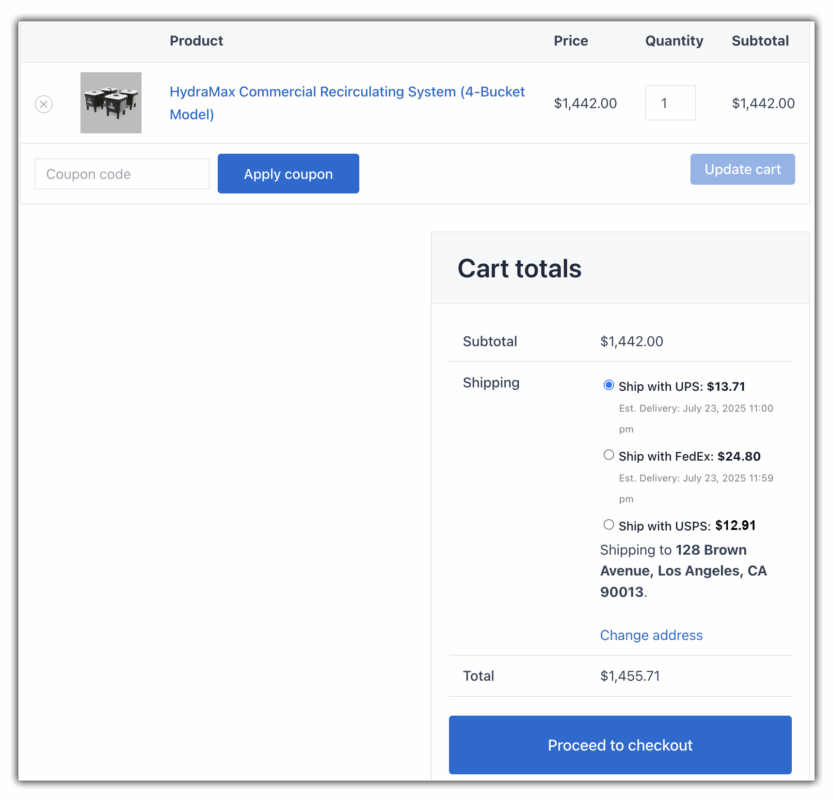
However, this plugin only shows live rates; it doesn’t support label printing. You can use the FedEx or UPS Shipping Plugin to print labels and automate the entire shipping process within WooCommerce.
Let’s see how.
Shipping with FedEx and UPS
For shipping large and sensitive items like the HydraMax Commercial Recirculating System, FedEx and UPS are the most reliable options. These carriers offer the flexibility needed for complex equipment shipping.
To streamline the process, you can use:
With these plugins, you can:
- Display real-time shipping rates, including hazmat or oversized fees.
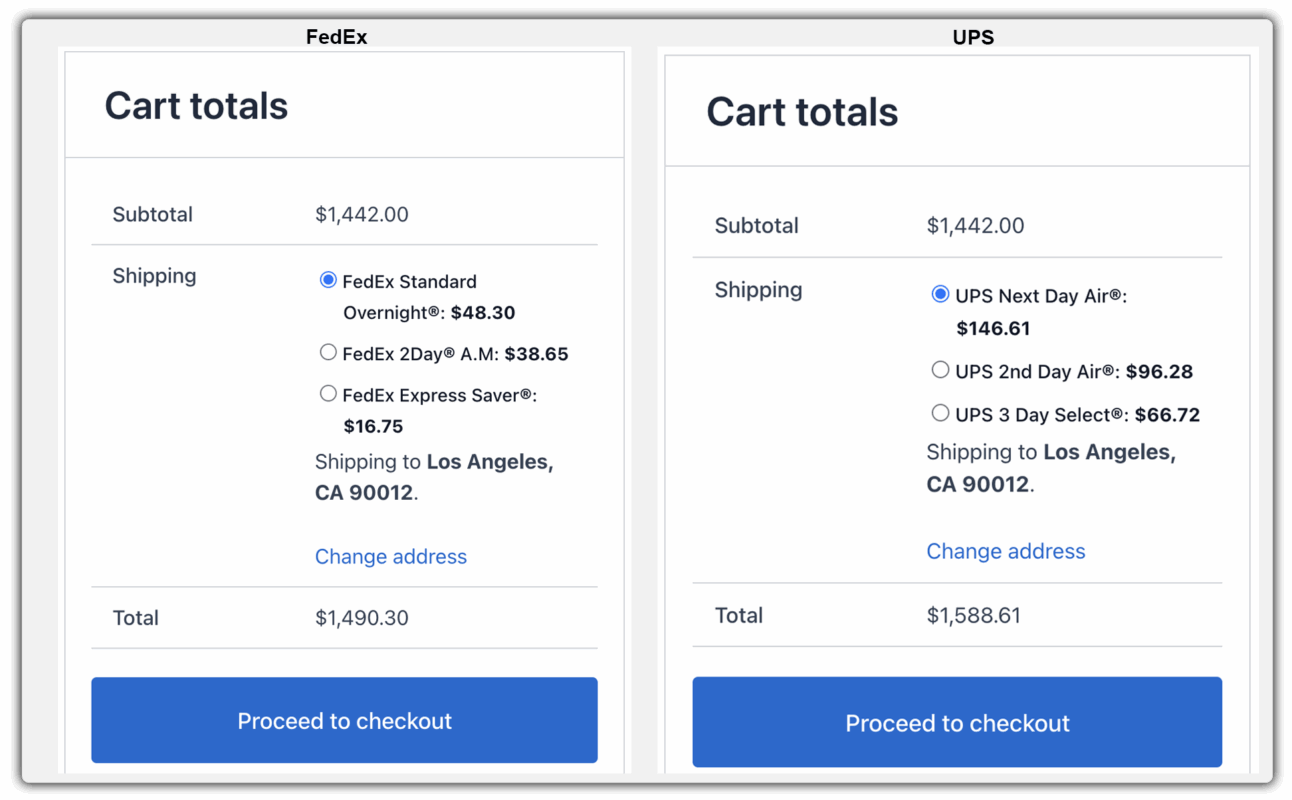
- Generate and print shipping labels directly from the WooCommerce dashboard
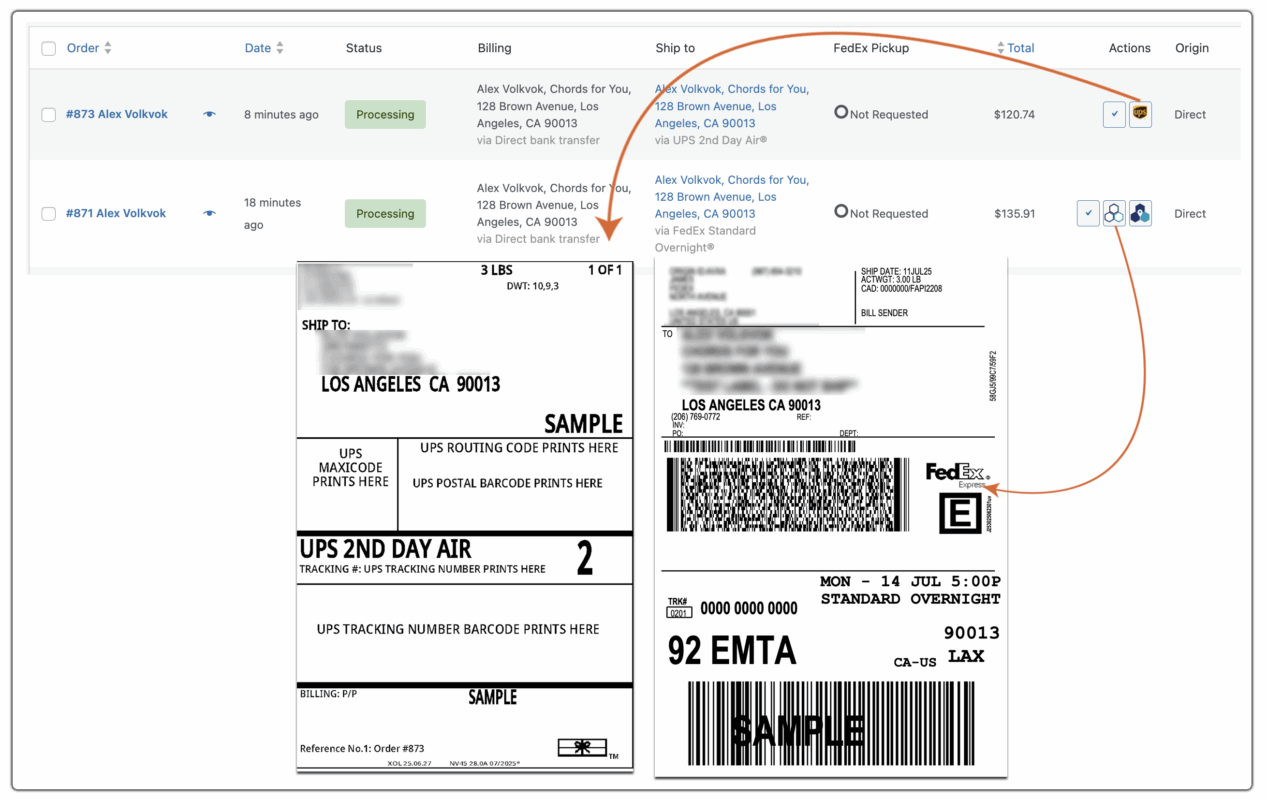
Automating hydroponic shipping this way saves time, minimizes errors, and ensures you stay compliant when shipping complex equipment.
Need freight shipping instead?
For extremely large hydroponic units or commercial orders, freight may be a better option. Check out this guide to learn in detail – WooCommerce TForce Freight Shipping .
Conclusion
Shipping hydroponic systems and equipment comes with unique challenges, from large, fragile components to items that may require special handling. To ensure smooth and compliant deliveries, it’s important to use the right carriers, follow proper packaging practices, and stay updated with shipping regulations. Efficient handling not only protects your products but also builds trust with customers through safe and timely delivery.
Need help with the plugin? Contact PluginHive Support.
FAQs
- Do I need special documentation to ship hydroponic products?
Yes, depending on the contents. Some products may require MSDS (Material Safety Data Sheets), invoices, or permits for transport, especially if liquids, nutrients, or electrical components are included.
- Are hydroponic kits considered hazardous materials?
Not all kits are hazardous. But if they include certain chemical nutrients, they may require hazmat labeling. Check with the carrier and ensure compliance.
- Do hydroponic systems require special insurance during shipping?
If you’re shipping high-value or commercial-grade systems, it’s advisable to opt for additional shipping insurance, especially when using carriers like FedEx or UPS.
- Is signature confirmation recommended for hydroponic shipments?
Yes, it’s highly recommended for high-value or sensitive items. It adds delivery security by ensuring the package is received by the right person. Check out this guide to learn how to enable it with FedEx.
