



Shipping frozen food and meat is becoming a growing trend on Shopify. More customers now want frozen meals and premium cuts of meat. This makes it a great chance for Shopify store owners.
However, shipping frozen items presents challenges. You need to keep products fresh. Carriers have rules for dry ice and perishables. Shipping costs can also be higher compared to regular products.
The good thing is that some tools make it easier. Apps like the PH Multi-Carrier Shipping Label App help Shopify merchants compare carrier rates, print labels, and schedule pickups. This takes a lot of problems out of frozen food shipping.
In This Article
- Packaging Methods for Frozen Food and Meat
- Carrier Rules and Regulations
- Choosing the Right Shipping Service for Frozen Food
- Shopify Integration for Frozen Food Shipping
- Shipping Frozen Food Internationally
- Conclusion
- FAQ’s
Packaging Methods for Frozen Food and Meat
Insulated Shipping Boxes
- Use styrofoam, EPS, or thermal liners to maintain a constant temperature.
Dry Ice vs Gel Packs
- Dry ice keeps items frozen for a longer time but requires extra careful handling and proper labeling.
- Gel packs are safer and easier to use, but do not last as long.
- Some merchants use both for good results.
Vacuum-Sealed Packaging
- Keeps the package safe from air exposure and freezer burn.
- Keeps meat compact and easy to keep inside boxes.
Secondary Containment
- Use leak-proof plastic liners or bags.
- Helps protect against spills and contamination during transit.
Labeling Requirements
- Clearly mark packages as “Perishable,” “Keep Frozen,” or “Dry Ice” when applicable.
- Ensures carriers handle shipments correctly and reduces the risk of late orders.
Carrier Rules and Regulations
Shipping frozen food and meat safely takes more than just packing it well. Carriers have rules for handling dry ice, labeling, and insulation. Following these rules keeps your products frozen and ensures they reach your customers in good condition.
UPS
- Handling & Storage: UPS frozen food shipping requires anyone touching dry ice to wear gloves and protective gear. Frozen meat depends on consistent cooling, so dry ice must never go in airtight or glass containers. Pressure could cause the package to burst.
- Packaging: Use insulated EPS foam coolers inside sturdy corrugated boxes. Keep frozen meat in vacuum-sealed bags and separate from the dry ice. Make sure vapors can escape the box should never be sealed airtight.
- Labeling: Mark packages with “Dry Ice” and the net weight. For international frozen meat shipments, follow IATA Packing Instruction 954 and UPS’s guidelines.
FedEx
- Dry Ice Limits: FedEx frozen food shipping only allows up to 200 kg of dry ice per package, making it suitable for large frozen meat or food shipments. Because dry ice is considered a dangerous good, only trained staff should prepare these packages.
- Packaging & Labeling: Seal frozen meat well and keep it away from the dry ice to avoid freezer burn. Use ventilated fiberboard, plastic, or wooden boxes with insulation. Clearly mark the package with “Dry Ice,” “UN 1845,” the net weight, and include a Class 9 hazard label.
- Shipping Process: Enter dry ice details when creating a shipment in FedEx Ship Manager. For international shipments, include the number of packages and net dry ice weight using UN 1845. Drop off only at approved FedEx locations or schedule a pickup.
USPS
- Mailability: USPS frozen food shipping only allows dry ice for domestic frozen food and meat shipments. International shipments are not allowed. Air shipments can have up to 5 pounds of dry ice per package. Ground shipments can carry more than 5 pounds.
- Packaging: Use leak-proof, insulated containers, like fiberboard boxes lined with polystyrene. Packages must let carbon dioxide gas escape. Avoid airtight or metal containers. Extra insulation helps prevent condensation that could damage the box.
- Labeling & Documentation: Clearly mark the contents being cooled (for example, “frozen steaks”) and the net weight of dry ice. Air shipments require a Class 9 DOT label and “Dry Ice, UN1845.” Ground shipments must be labeled “Surface Only” or “Surface Mail Only.” A Shipper’s Declaration is needed for air, but not for ground.
Choosing the Right Shipping Service for Frozen Food
Domestic vs International Shipping
- Domestic shipments are faster and easier to manage.
- International shipments require more planning, documentation, and compliance with customs rules.
Delivery Speed Options
- Overnight shipping keeps frozen food at the right temperature.
- Two-day delivery works for items that can tolerate slightly longer transit.
- Economy shipping is cheaper but carries a higher risk of spoilage.
Cost vs Speed
- Faster shipping is usually more expensive.
- Slower shipping reduces costs but increases the risk of spoiled food.
- Compare carrier rates and delivery times before choosing the best option.
Carrier Services Best Suited for Frozen Meat
- FedEx Priority Overnight – fast and reliable for perishable items.
- UPS Next Day Air – excellent for domestic frozen meat shipments.
- USPS Priority Express – cheap overnight shipping for smaller frozen packages.
Shopify Integration for Frozen Food Shipping
Shipping frozen food and meat from Shopify is easier when you have the right tools and follow the best methods. Using a shipping app can help you calculate rates, generate labels, and schedule pickups without mistakes.
Using the PH Multi-Carrier Shipping Label App
- Calculate shipping rates for multiple carriers at checkout. See options like UPS, FedEx, and USPS to find the fastest or most cost-effective service for frozen shipments.

Automating Label Generation
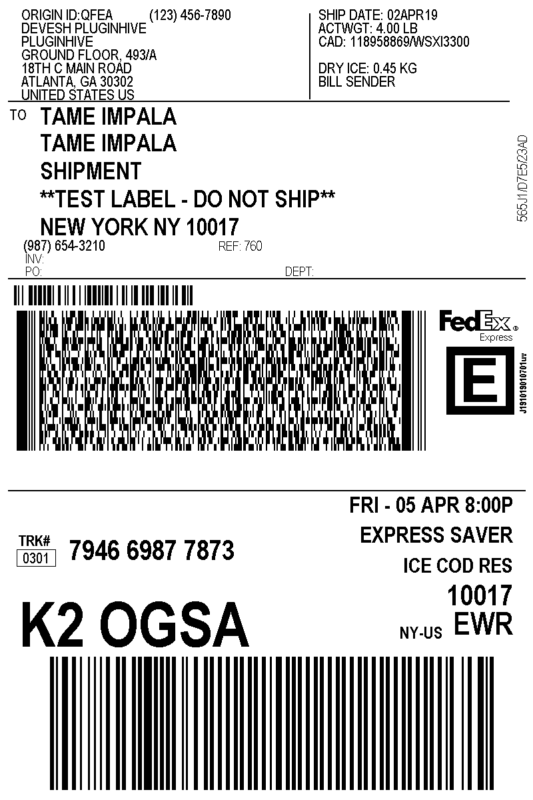
- Generate shipping labels directly from Shopify for frozen food and meat orders. Include necessary markings for perishable goods and dry ice where required.
Scheduling Pickups
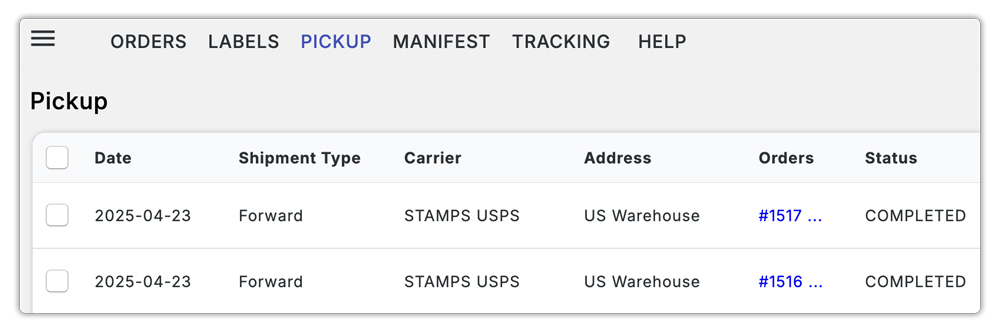
- Schedule pickups with UPS, FedEx, or USPS directly from the app. Ensure frozen shipments are picked up on time to maintain proper temperature during transit.
Shipping Frozen Food Internationally
Shipping frozen food and meat internationally requires careful planning. Different countries have strict rules, and failing to follow them can cause delays or returned shipments.
Export & Import Rules
- Frozen meat, seafood, and other perishable foods are subject to export and import regulations.
- Check country-specific restrictions before shipping. Some products may require permits or certifications.
Customs Documentation
- Include all necessary paperwork, such as FDA or USDA certificates for meat and seafood.
- Have commercial invoices detailing the contents, value, and purpose of the shipment.
- Some countries require additional health or safety certificates to verify requirements with the carrier.
Duties & Taxes
- Duties and taxes vary by destination and product type.
- Frozen food shipments may incur tariffs or import fees.
- Include accurate product codes and values to avoid customs delays.
Carrier Options & Restrictions
- Not all carriers handle international frozen food. UPS, FedEx, and DHL have specialized services for perishable shipments.
- Each carrier may have limits on package size, dry ice use, or transit time.
- Choose a carrier that can deliver quickly to maintain product quality.
Conclusion
Shipping frozen food and meat on Shopify can seem hard, but with the right preparation, it doesn’t have to be. Proper packaging, careful handling of dry ice, and following carrier rules are key to keeping your products fresh and safe.
Using Shopify apps like the PH Multi-Carrier Shipping Label App can ease the process. You can compare rates, print labels, and schedule pickups with UPS, FedEx, or USPS, ensuring your frozen shipments reach customers on time.
For international shipments, planning, preparing the correct documentation, and choosing the right carrier are essential to avoid delays and maintain product quality.
FAQ’s
1. How do I package frozen meat for shipping?
Vacuum-seal the meat and place it in an insulated container with dry ice or gel packs, keeping the meat separate from the refrigerant. Use leak-proof liners, sturdy outer boxes, and clearly label the package as “Perishable” and “Keep Frozen”.
2. What is the best carrier to ship frozen food?
The best carrier depends on your shipping needs. FedEx Priority Overnight and UPS Next Day Air are ideal for fast, reliable delivery of frozen meat and food. USPS Priority Express works well for smaller packages, especially domestic shipments. Always consider delivery speed, package size, and dry ice limits when choosing a carrier.
3. How to ship frozen meat and food cheaply?
To reduce costs, use ground or 2-day shipping for items that can tolerate slightly longer transit. Compare rates across carriers using tools like the PH Multi-Carrier Shipping Label App. Optimize packaging with efficient insulation and smaller boxes to lower dimensional weight charges, and schedule pickups instead of relying on last-minute drop-offs.
