



Shipping trees and planting supplies through a WooCommerce store presents unique challenges. From saplings and shrubs to soil bags and garden tools, these items require careful handling, climate awareness, and timely delivery. For nurseries and garden-focused businesses, making sure products arrive healthy and intact is just as important as fast shipping.
In this guide, we’ll cover everything WooCommerce merchants need to know, from choosing the right carriers and packaging to automating shipping trees and garden supplies.
On This Page
- Challenges of Plant Shipping in WooCommerce
- Choosing the Right Carriers for Plant Shipping
- How to Package Trees and Garden Supplies Properly
- Automating Plant Shipping in WooCommerce
- Conclusion
- FAQs
Challenges of Shipping Trees & Garden Supplies in WooCommerce
Shipping trees, saplings, and planting supplies is more complex than standard WooCommerce fulfillment. Live plants are time-sensitive and vulnerable to environmental factors, making careful planning essential. Below are some common challenges:
- Temperature Sensitivity: Plants can be damaged by extreme heat or cold. Shipping across varying climate zones or during peak seasonal conditions increases the risk of plant stress or death if not handled quickly.
- Time-Sensitive Deliveries: Plants have a limited window to remain healthy in transit. Delays, especially over weekends or holidays, can lead to wilting or root damage, resulting in dissatisfied customers and refunds.
- Fragile and Irregular Packaging: Trees, saplings, and tools like stakes or watering kits are often bulky, tall, or oddly shaped. This makes secure packaging difficult and increases the risk of breakage during transit.
- Higher Shipping Costs: The need for faster delivery, special packaging, and larger dimensional weights often leads to higher shipping charges, especially for bulk orders or long-distance deliveries.
- Compliance and Restrictions: Certain plants or soil materials are restricted in specific states or countries due to agricultural regulations. Merchants must ensure their products meet local shipping rules to avoid penalties or returned shipments.
Let’s see which shipping carriers are best equipped to handle these challenges.
Choosing the Right Carriers for Shipping Trees & Plant Supplies
Selecting the right carrier is critical when shipping trees, plants, and gardening supplies. The carrier must balance speed, handling care, and regulatory compliance. Here’s how major shipping carriers compare when it comes to plant shipping:
1. UPS: Fast, Reliable, and Nationwide Coverage
UPS is a trusted choice for plant sellers thanks to its reliable, time-definite delivery services. Key advantages include:
- Time-definite delivery options, such as UPS Next Day Air or 2nd Day Air, are ideal for live plant shipments.
- Saturday delivery availability, helping you avoid weekend delays and keep plants fresh.
- Support for hazmat and restricted items, useful for shipping fertilizers or pest-control products. These can be managed using the PH UPS Shipping Plugin for WooCommerce.
Important Notes:
- Many perishable items, like plants and seeds, require a registered UPS account.
- Some items, such as endangered plant species or restricted seeds, are prohibited across all UPS services. Always verify your plant’s classification before shipping.
2. FedEx: Flexible and Scalable Services
FedEx provides a wide range of shipping options tailored to the needs of plant sellers:
- FedEx Express is ideal for the fast delivery of live trees and perishable plants.
- FedEx Ground works well for non-perishable items like gardening tools, containers, and soil additives.
- FedEx Custom Critical offers temperature-controlled shipping, suitable for nurseries shipping high-value or sensitive plant stock.
Packaging Guidelines:
- Packaging must support at least 30 hours of safe transit, with proper insulation and ventilation.
- Pots must be bagged to prevent soil leakage.
- Use corrugated dividers to secure roots and prevent shifting during transit.
FedEx integrates smoothly with WooCommerce using the PH FedEx Shipping Plugin, enabling automation of labels, tracking, and service selection.
3. USPS: Best for Small, Local Shipments
USPS is often used for:
- Small potted plants, seeds, or planting kits.
- Affordable flat-rate boxes and regional pricing.
- Saturday delivery and rural reach.
However, USPS may not be ideal for large trees or time-sensitive items due to limited tracking and slower speeds. Plant shipping with USPS can be automated with the PH WooCommerce USPS Shipping Plugin.
4. DHL Express: International Reach
For global plant supply businesses, DHL Express is a solid choice:
- Strong international network and customs clearance support.
- Best for non-restricted items like tools, seeds, or packaging material.
- Not suitable for live plants or soil due to import/export regulations in many countries.
International shipping for trees and plant supplies can with DHL can be automated using the PH WooCommerce DHL Shipping Plugin
Choosing the right shipping partner depends on the nature of your products, the delivery speed required, and the destination. Now, let’s look at how to pack these products for safe and cost-effective delivery.
Packaging Tips for Shipping Trees and Garden Supplies
Packaging live plants, trees, and gardening supplies requires extra care to ensure they arrive healthy and undamaged. Here’s how to do it right:
- Moisture Control for Live Plants: Keep roots moist using damp paper towels, peat moss, or gel packs. Use breathable materials like perforated bags to allow air circulation during transit.
- Sturdy Containers for Young Trees: Use tall, narrow boxes or tree shipping tubes to protect trunks and branches. Secure root balls or pots tightly to avoid shifting or breakage.
- Protect Fragile Accessories: For tools, ceramic pots, or glass items, use bubble wrap, dividers, and strong outer boxes. Fill empty spaces with cushioning to prevent movement.
- Temperature Protection: In hot or cold climates, include thermal insulation or cold/heat packs depending on the season. Mark packages with “Live Plants- Keep Away from Heat/Cold.”
- Labeling and Compliance: Add correct labels such as “Perishable,” “This Side Up,” or “Live Plant Material.” If shipping soil or regulated items, follow local agricultural laws.
Proper packaging minimizes damage and ensures healthy delivery.
Automating Plant Shipping in WooCommerce: A Real Case Scenario
Let’s say you run a WooCommerce store selling nursery plants, saplings, soil packs, garden supplies, and planting kits. Shipping these items involves unique challenges, but with automation, the process becomes seamless.
Using tools like the PH UPS Shipping Plugin for WooCommerce, you can streamline your operations.
With these plugins, you can:
- Define product-specific shipping needs for your live plants or trees. Enable the Plant Indicator under Restricted Articles in the product settings. (Ensure this option is activated in the plugin’s general settings first.)
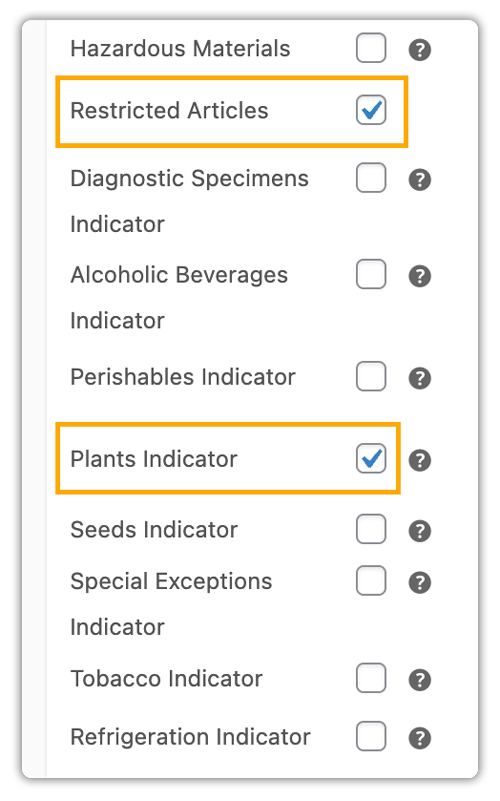
- Select preferred services to display at the checkout. For plant shipping, services like Next Day Air, Next Day Air Early, or Saver are ideal for delivering live plants quickly.

- Display live shipping rates at checkout. Customers can view real-time UPS rates during checkout based on their location and cart contents.

- Print labels with required indicators. Once an order is placed, you can generate the UPS shipping labels, including service indicators like “ISC” (International Special Commodities).

Once the label is generated, tracking is shared with the customer, and you can schedule UPS pickups right from WooCommerce. For details, refer to the Track UPS Orders in WooCommerce
End-to-end automation ensures quick and safe shipping of your live plants, potting soil, or garden kits with minimal manual intervention.
You can also automate FedEx shipping with the PH FedEx Shipping Plugin for WooCommerce . However, FedEx doesn’t offer built-in indicators for plants or perishables, so you’ll need to label these manually during packing.
Conclusion
Shipping trees and planting supplies through WooCommerce comes with unique challenges, from maintaining product health to handling complex packaging and time-sensitive deliveries. By using the right packaging methods, automating your shipping workflow, and staying compliant with shipping regulations, you can ensure your plants and garden products arrive safely and on time.
Need help setting up plant shipping for your WooCommerce store? Contact PluginHive support.
FAQs
- Should I use ice packs or gel packs when shipping plants?
No. For most shipments, gel or ice packs aren’t needed and may cause damage if they shift in transit. Use breathable wrapping and mild moisture control instead (e.g., damp paper towels around roots).
- Are there any shipping restrictions for certain plants or soil?
Yes. Some states and countries restrict specific plants, seeds, or soil due to agricultural laws. Always check with the local USDA office or equivalent authority before shipping.
- What’s the cheapest way to ship small plants or seeds?
Lightweight items like seed packets or small potted plants are often cheapest when shipped via ground services or flat-rate boxes, especially for short distances.
- Can I ship plants using USPS?
Yes. USPS allows plant shipping, especially for smaller, lightweight items like cuttings, herbs, or seeds. However, USPS may not offer temperature control or time-guaranteed delivery like other carriers.
