


Shipping is a crucial part of running any WooCommerce store. Getting orders to customers on time, offering accurate shipping rates, and providing order tracking information can make a big difference in customer satisfaction. UPS is one of the most popular shipping carriers for WooCommerce merchants because of its reliability, global reach, and extensive shipping options. In this guide, we’ll walk you through the key differences between UPS REST and SOAP API, explain why REST is the recommended choice for modern WooCommerce stores, and show you how to choose the right plugin to make your UPS shipping seamless and hassle-free.
Table of Contents
- Understanding the APIs
- Similarities between UPS SOAP and REST
- UPS REST vs SOAP: Key Differences for WooCommerce Stores
- Why REST API is the Future for WooCommerce
- The Best UPS Plugin for WooCommerce: REST API Ready
- Conclusion
- FAQs
Understanding the APIs
If you want UPS shipping to work smoothly in your WooCommerce store, you need to know how your store connects with UPS. There are two main ways: the UPS SOAP API and the UPS REST API. Both let your store fetch shipping rates, print labels, and share tracking updates, but they work in different ways.
UPS SOAP API
The UPS SOAP API is the older method. Think of it like mailing a letter — it works reliably but takes more steps and is a bit slower. Many long-time WooCommerce stores still use SOAP because it’s proven, but it can be harder to set up and doesn’t always support UPS’s latest features.
UPS REST API
The UPS REST API is the modern method. Imagine sending a quick text message instead of a letter. It’s faster, simpler, and more flexible. With REST, your store can easily show live shipping rates, provide real-time tracking updates, and handle both domestic and international orders. It’s also future-proof, since UPS is gradually moving away from SOAP.
In the next section, we’ll look at what both APIs have in common and how they help you manage WooCommerce shipping more efficiently.
Similarities between UPS SOAP and REST
Even though SOAP and REST work differently behind the scenes, they share many things that matter most to WooCommerce merchants. Both allow your store to:
- Show live shipping rates at checkout so customers know exactly how much shipping will cost.
- Print UPS shipping labels directly from your WooCommerce dashboard.
- Provide UPS tracking information to customers automatically, keeping them informed about their orders.
- Handle domestic and international shipping, giving you flexibility to sell anywhere UPS ships.
- Use API credentials for secure integration with your WooCommerce store.
At the end of the day, both APIs are designed to make shipping easier, faster, and more reliable, helping your store manage orders efficiently.
UPS REST vs SOAP: Key Differences for WooCommerce Stores
While SOAP and REST share many features, some important differences affect how your WooCommerce store handles UPS shipping:
| Feature | SOAP API | REST API |
|---|---|---|
| Ease of Setup | More complicated, requires extra steps | Simple and faster to set up |
| Speed & Performance | Slower, heavier process | Faster and lightweight |
| Support and Updates | Being phased out, fewer updates | Actively maintained with new features |
| Flexibility | Limited, older technology | Modern features supported |
| Future-Proof | No, may stop working eventually | Yes, fully ready for the future |
REST API is easier to use, faster, and will continue to get new features from UPS. SOAP may still work for older setups, but it’s less flexible and may not be supported in the future.
Why REST API is the Future for WooCommerce
For modern WooCommerce stores, the REST API is the recommended way to connect with UPS. It’s faster, simpler to set up, and supports the latest UPS features, making shipping smoother for both merchants and customers.
- Faster and Simpler: REST API is easier to integrate than SOAP. Shipping rates load quickly, labels are generated faster, and tracking updates are delivered to customers in real time, reducing delays and errors.
- Modern Features and Better Support: REST supports all the newest UPS features, including live rates, international shipping, and advanced tracking. It also receives regular updates and improvements, whereas SOAP is being phased out and may not support upcoming features.
- Future-Proof for Your Store: Choosing REST ensures your WooCommerce store is ready for future UPS updates. It keeps your shipping workflow smooth and reliable, so you won’t have to worry about compatibility issues as UPS evolves.
REST API is faster, more flexible, and fully supported by UPS, making it the best choice for any WooCommerce store today and in the future.
The Best UPS Plugin for WooCommerce: REST API Ready
For smooth and efficient shipping, it’s essential to choose a WooCommerce plugin that uses the latest technology and offers all the features your store needs. The WooCommerce UPS Shipping Plugin with Print Label is built on the UPS REST API and handles everything UPS-related in your store, from live shipping rates to automated tracking.
Key Features:
- REST API & OAuth 2.0 Integration: Ensures a fast, secure, and future-proof connection to UPS.

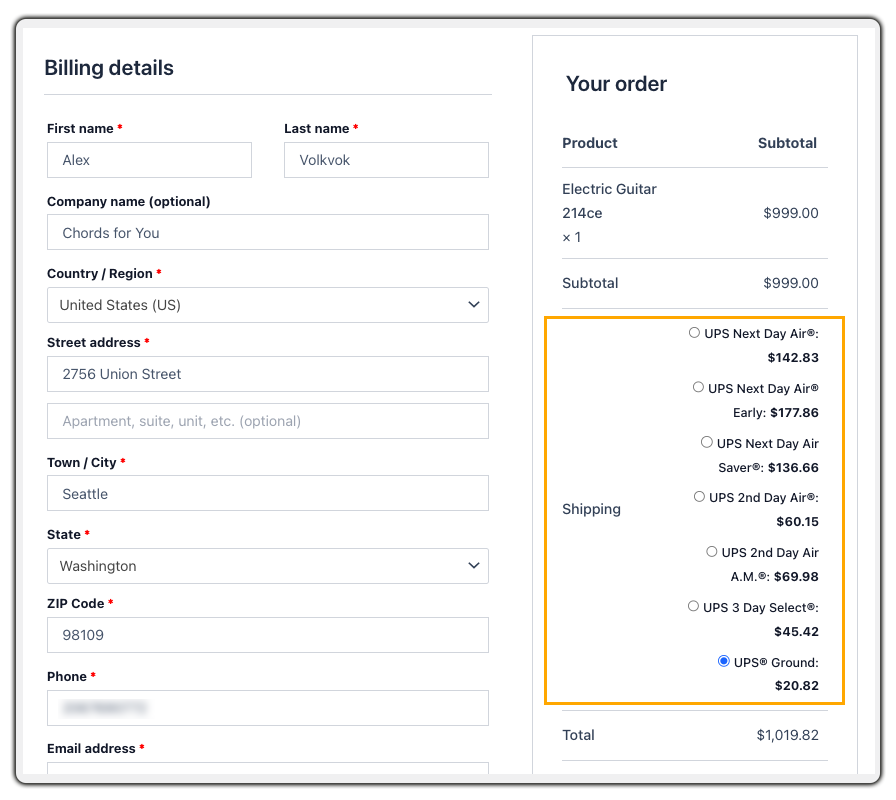
- Live Shipping Rates: Fetches and displays accurate UPS shipping costs directly on the cart and checkout pages.
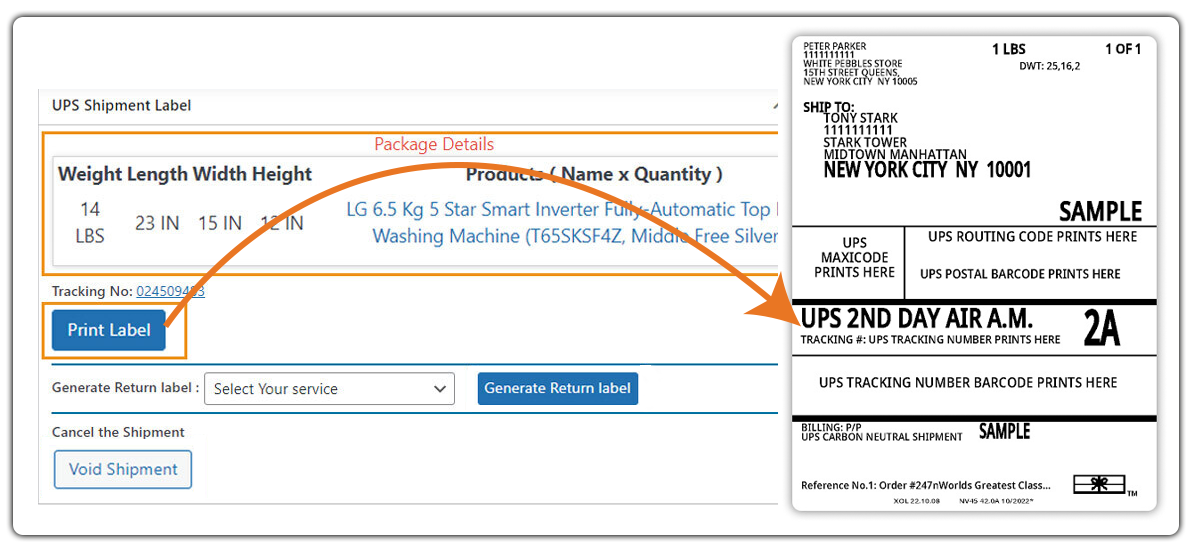
- Automated Label Printing: Generate and print UPS labels from your WooCommerce dashboard with just a few clicks.
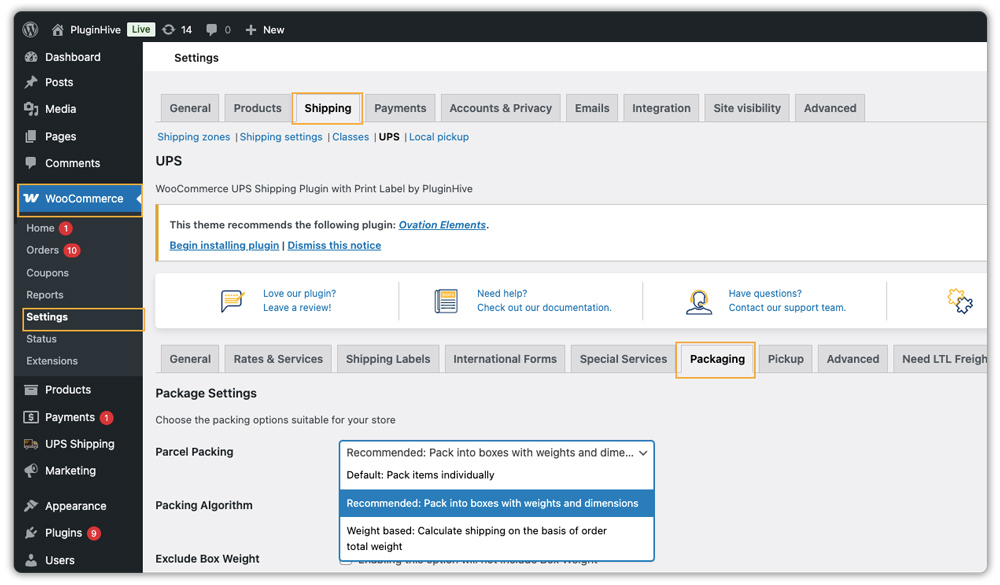
- Smart Box Packing: Combines items into the most economical box sizes to help reduce shipping costs.
- Shipment Tracking: Provides automated tracking updates so both you and your customers can monitor shipments easily.
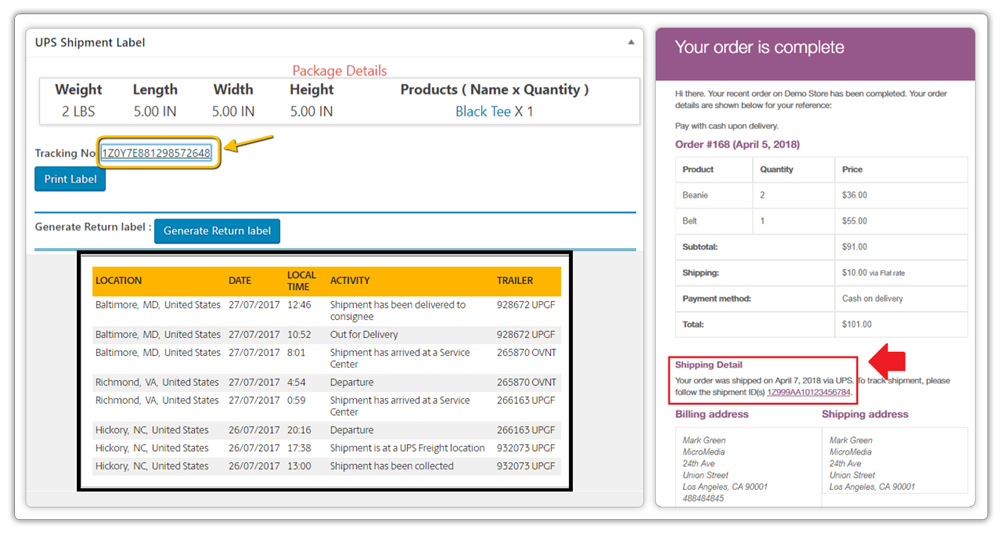
For detailed, step-by-step instructions, please refer to this setup guide: Setting Up WooCommerce UPS Shipping Plugin
Using a plugin like this streamlines your WooCommerce shipping process, saves time and money, and ensures a better delivery experience for your customers.
Conclusion
UPS shipping is a vital part of any WooCommerce store. While SOAP has been reliable, the REST API is faster, simpler, and supports the latest UPS features, making it the ideal choice for modern stores.
Using a REST-enabled plugin, like the WooCommerce UPS Shipping Plugin, ensures smooth setup, accurate shipping rates, label printing, and real-time tracking. Need help setting it up? Reach out to PluginHive Support for quick assistance. Adopting REST helps save time, reduce errors, and deliver a better shipping experience for your customers.
FAQs
1. Can I still use the SOAP API for my WooCommerce UPS shipping?
Yes, you can use SOAP if your store already has it set up, but it’s being phased out. New features and updates from UPS are mostly available on REST, so migrating is recommended.
2. Should I switch to the REST API for better shipping management?
Yes, REST is faster, easier to integrate, and supports live shipping rates, automated tracking, and other modern UPS features, making your store more efficient.
3. Do I need a UPS account to use the REST API with WooCommerce?
Yes, a valid UPS account is required to get your REST API credentials. Once connected, your store can fetch live rates and generate labels automatically.
4. Does the REST API support both domestic and international shipping?
Yes, REST works for all UPS shipping services, so you can ship locally or globally without additional setup.
