


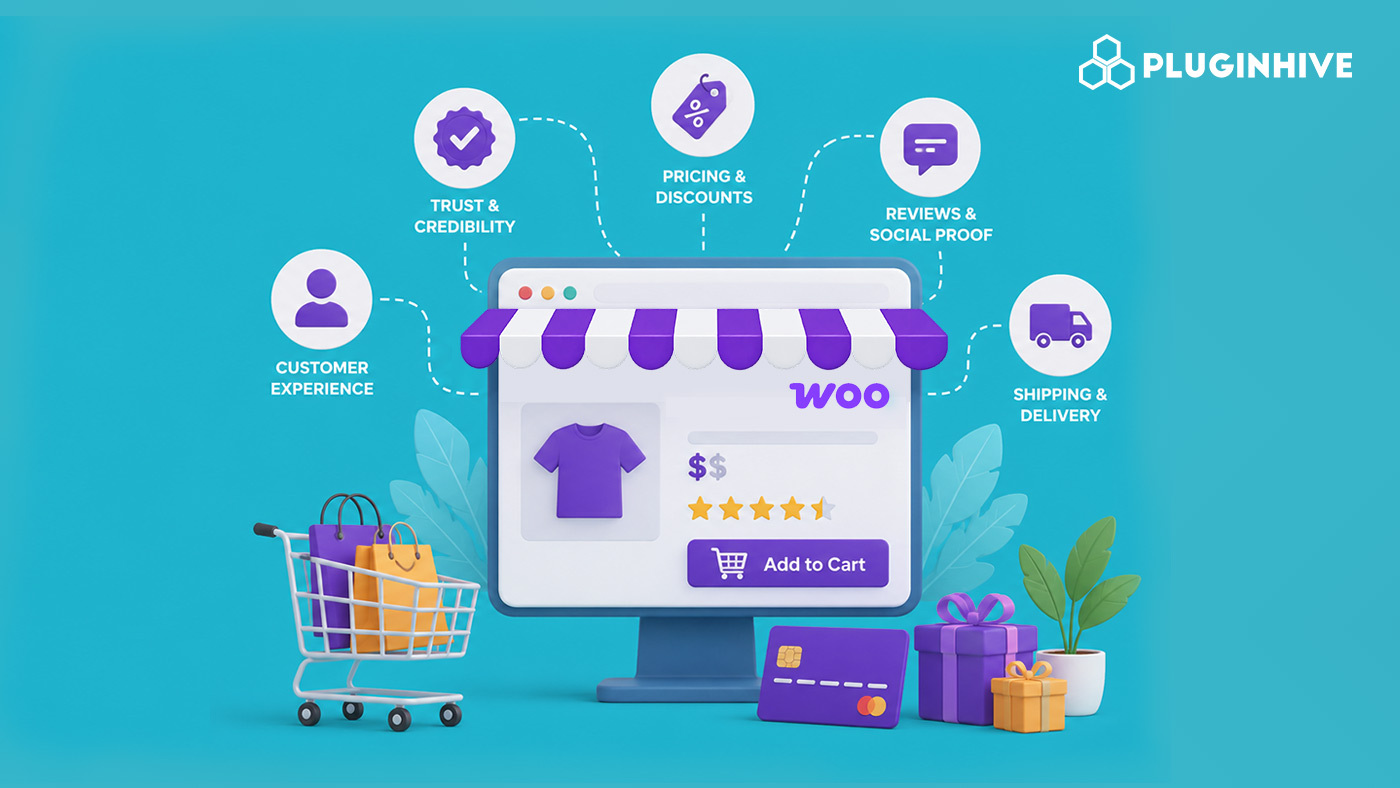
A customer landing on a product page has already decided they might want something; the question that determines whether they actually buy is what happens between that click and checkout. Price matters, but it’s rarely the only thing deciding the outcome. Trust signals, how the product is presented, and what happens at checkout all weigh in, often more than store owners assume. This guide covers the factors that most consistently influence customer buying behaviour, why shipping specifically carries more weight than most WooCommerce store owners realise, and what to put in place to address it.
On This Page
- The Core Purchase Decision Factors in WooCommerce
- How Shipping Cost and Speed Influence Buying Decisions
- How to Address the Shipping-Related Factors in Your WooCommerce Store
- Real-World WooCommerce Use Case
- Conclusion
- FAQs
The Core Purchase Decision Factors in WooCommerce
Customers consider several factors before deciding to buy. While importance varies by product and audience, addressing these areas can reduce hesitation and make the buying decision easier.
- Price and Perceived Value: Customers compare prices with similar products and consider whether the product offers enough value. A lower price does not always win if competitors provide better quality, features, or service.
To improve: Research competitor pricing and position your product around its quality, features, benefits, and overall value rather than price alone.
- Trust Signals: Customers are more likely to buy when they trust the store and product. Reviews, ratings, testimonials, secure payments, contact details, and transparent policies can reduce doubts.
To improve: Add genuine customer reviews, relevant trust signals, and easily accessible return, refund, and contact information.
- Product Information and Presentation: Customers need enough information to understand what they are buying. Poor images, vague descriptions, missing specifications, or unanswered questions can create uncertainty.
To improve: Use clear images from multiple angles, detailed descriptions, and important information such as size, materials, specifications, compatibility, and usage details.
- Shipping Cost and Delivery Speed: Unexpected shipping charges or unclear delivery timelines can make customers reconsider a purchase.
To improve: Show accurate shipping costs and realistic delivery estimates early rather than leaving customers to discover them at checkout.
- Payment Options and Checkout Friction: A complicated checkout or missing preferred payment method can lead to abandonment.
To improve: Keep checkout simple, reduce unnecessary fields, offer commonly used payment methods, and avoid requiring account creation unless necessary.
- Return Policy: Customers may hesitate when unsure whether they can return a product. This matters especially for clothing, footwear, electronics, and products where fit or suitability is uncertain.
To improve: Provide a clear return and refund policy covering the return period, eligibility requirements, and associated costs before checkout.
How Shipping Cost and Speed Influence Buying Decisions
According to Baymard Institute research, 48% of US shoppers who abandon a cart cite unexpected costs, shipping, tax, and fees, as the reason. Among shoppers who abandon for a reason other than simply browsing, extra costs are consistently the single largest fixable cause, ahead of a complicated checkout, forced account creation, or payment trust concerns.
Delivery speed carries real weight too; slow delivery is cited as a reason for abandonment by roughly a fifth of shoppers in the same research. Put together, this means shipping isn’t a secondary consideration that shows up once a customer has already committed to buying; for a meaningful share of shoppers, it’s the deciding factor itself.
The practical implication for a WooCommerce store: a flat-rate shipping guess that surprises the customer at checkout, or no visibility into delivery speed until the very last step, is actively working against the sale, not a neutral detail the customer will tolerate.
To give your customers a top-notch delivery and buying experience, read this guide: Optimize the Shipping Experience at WooCommerce Checkout.
How to Address the Shipping-Related Factors in Your WooCommerce Store
Since shipping cost surprises and delivery uncertainty are two of the most avoidable reasons customers don’t complete a purchase, this is one of the highest-leverage areas to fix directly.
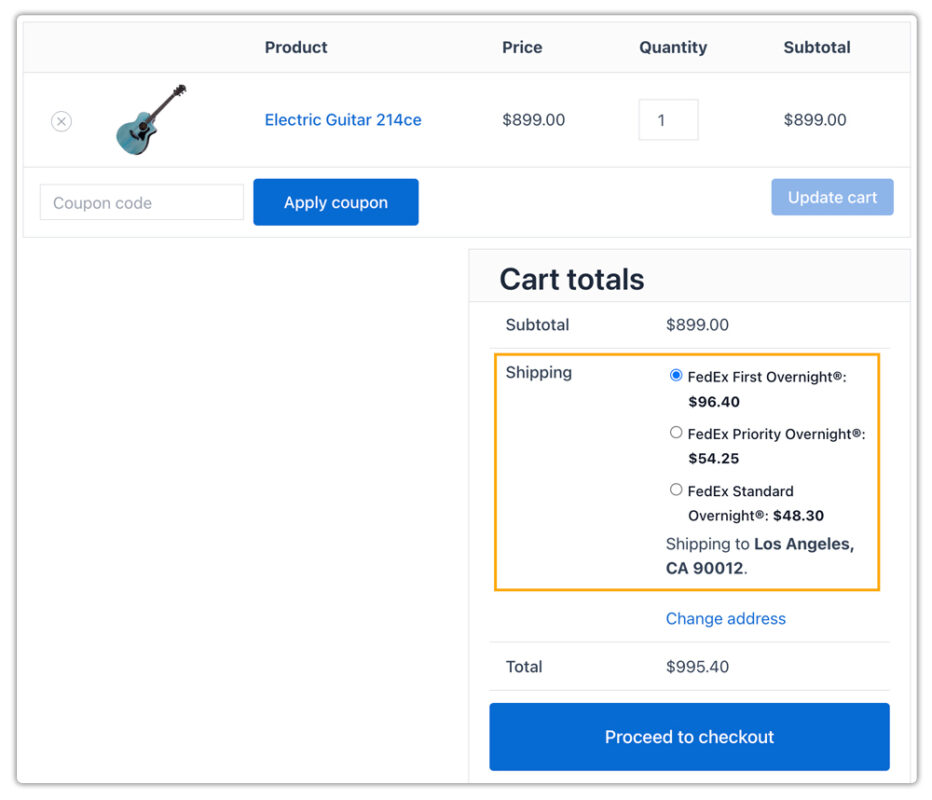
Show Accurate Rates Instead of a Flat-Rate Guess
A flat shipping rate that doesn’t reflect actual weight or destination either overcharges lighter orders, driving abandonment on cost, or undercharges heavier ones, quietly eating margin. Carrier plugins like the FedEx Shipping Plugin for WooCommerce with Print Label, WooCommerce UPS Shipping Plugin with Print Label, and PH USPS Shipping Plugin for WooCommerce with Print Label show live, carrier-calculated rates at checkout, closing the gap between what a customer expects to pay and what actually gets charged.
Show Delivery Estimates Before Checkout, Not Just During It
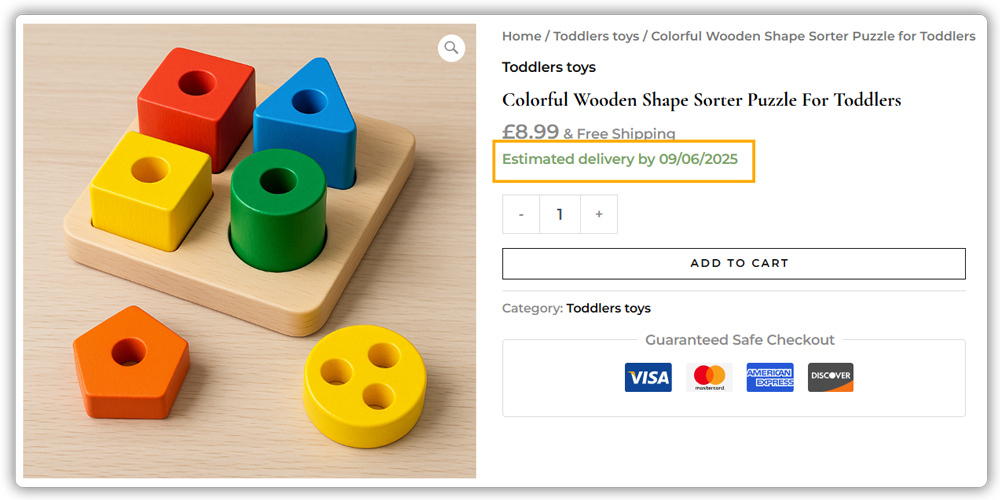
Since slow or uncertain delivery is a documented reason for abandonment, showing an estimate earlier in the journey matters. The Estimated Delivery Date Plugin for WooCommerce displays delivery estimates on the product page and in the cart, not just at the final checkout step, so customers can decide with the information they need.
Give Customers a Choice Between Cost and Speed
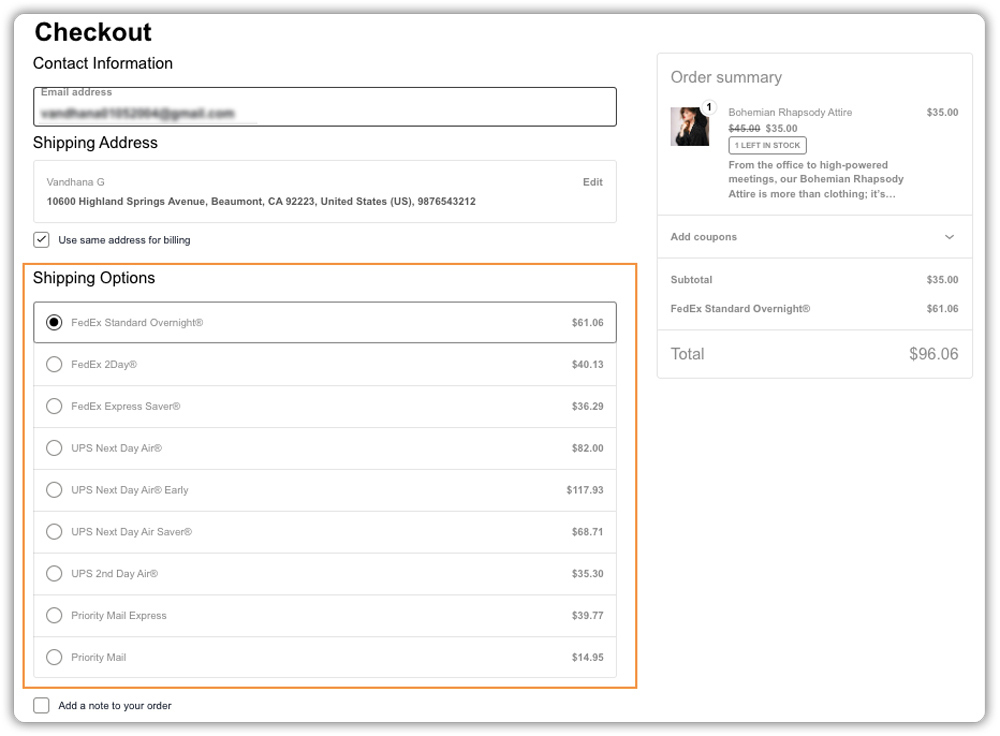
Some customers will pay more for faster delivery; others will wait longer for a lower cost. The Multi-Carrier Shipping Plugin for WooCommerce shows live rates from multiple carriers at the same checkout, letting customers weigh that trade-off themselves instead of the store making the decision for them by only offering one option.
Keep Checkout Clean by Hiding Irrelevant Shipping Options
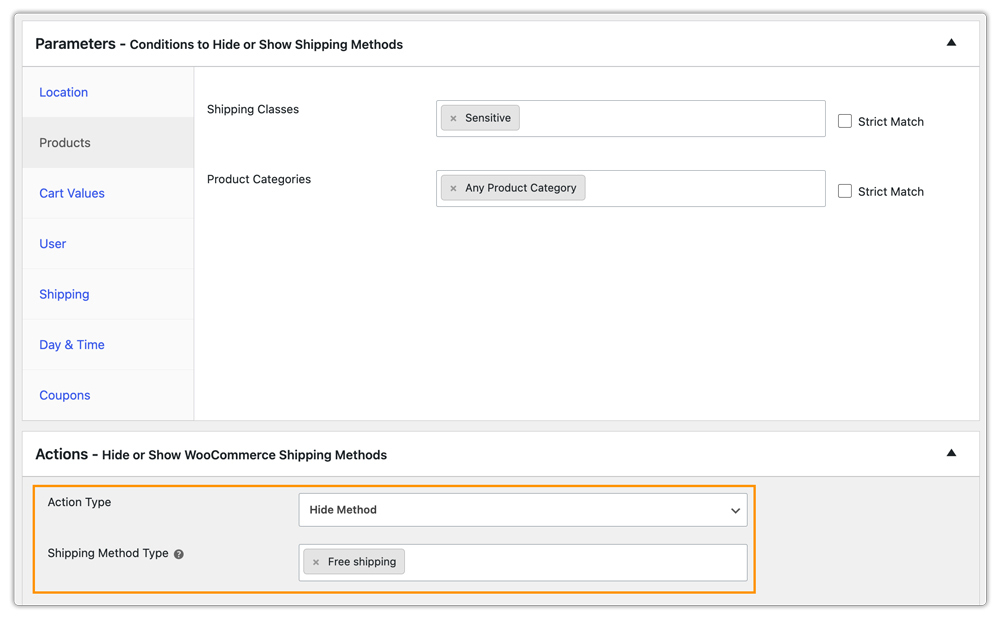
Too many shipping choices can add friction of its own. The PH Hide Shipping Methods & Rate Adjustment for WooCommerce lets you show only the shipping options relevant to a given cart value, destination, or product type, keeping the decision simple rather than overwhelming.
Real-World WooCommerce Use Case
Consider a WooCommerce store selling home decor products. The store had already addressed several factors that influence customer buying behaviour. Its products were priced after comparing similar products in the market, and the store highlighted the quality and value of its products. Product pages included clear images, detailed descriptions, and relevant product information. Customer reviews and ratings helped build trust, while multiple payment options and a straightforward checkout made purchasing relatively easy. The store also had a clear return policy.
However, one factor was still creating friction: shipping.
The store charged a flat $9.95 shipping fee on every order, regardless of the product’s weight or the customer’s location. For smaller, lower-value orders, customers were sometimes paying a shipping charge that felt disproportionate to the product price. Cart analytics showed that abandonment increased when customers reached the shipping-cost section of checkout.
How the Store Fixed It:
The store replaced the flat shipping charge with live USPS rates using the PH USPS Shipping Plugin for WooCommerce with Print Label. Shipping costs were calculated based on the actual shipment details instead of applying the same charge to every order.
The store also added the Estimated Delivery Date Plugin for WooCommerce to show delivery estimates on product pages and in the cart.
The Result:
- Customers could see a more relevant shipping cost instead of a fixed $9.95 charge.
- Smaller orders were no longer automatically burdened with the same shipping fee as larger orders.
- Customers had better visibility into when their orders were expected to arrive.
- The store addressed the remaining purchase factor that was creating friction, without changing the product price, presentation, or checkout experience.
Conclusion
WooCommerce customers buying behavior rarely hinges on a single factor, but shipping cost and delivery speed sit closer to the top of that list than most WooCommerce store owners assume. Baymard’s research consistently puts unexpected costs and slow delivery among the most cited, most avoidable reasons a customer doesn’t complete a purchase. Showing accurate rates early, giving customers a genuine choice between cost and speed, and keeping the checkout simple addresses the shipping side of that equation directly, rather than leaving it as a source of last-minute surprise.
Need help auditing your store’s shipping setup? The PluginHive support team is here.
FAQs
Q. Does delivery speed actually affect buying decisions, or just shipping cost?
Both matter. Unexpected costs are a more frequently cited factor, but slow delivery also contributes to cart abandonment. Showing both an accurate shipping cost and a realistic delivery estimate addresses both concerns.
Q. Should a WooCommerce store show shipping costs earlier than checkout?
Yes. Since unexpected costs are the leading cause of abandonment, showing shipping costs and delivery estimates on the product page or cart, before the customer reaches the final checkout step, reduces the chance of a late-stage surprise causing them to leave.
Q. Is offering free shipping always the right fix for cart abandonment in WooCommerce?
Free shipping can improve conversion, but it isn’t the only fix, and it isn’t free to the store; the cost has to be absorbed somewhere. Showing accurate live rates so customers know the true cost upfront, rather than encountering a surprise, addresses the same underlying problem without necessarily requiring free shipping on every order.
Q. How can I track whether shipping is actually causing checkout abandonment in my store?
For WooCommerce, most analytics tools can show where customers drop off in the checkout flow. If abandonment spikes when customers see the shipping cost, that strongly indicates shipping cost, not general checkout friction, is driving those lost sales.
